Replacing a heating system is a decision most homeowners make two or three times in a lifetime, usually under pressure. The equipment quits in January, somebody needs an answer by tomorrow, and the choice gets made on whatever the first technician recommends.
North Texas sits in an unusual spot for this question. Our winters are mild enough that heat pumps perform genuinely well here, but we also get the occasional hard freeze that exposes their limits.
The honest answer is situational. Below is what separates the two in this climate, what each costs to buy and run, and why many area homes end up with both.
How Each System Makes Heat
A gas furnace burns fuel. Natural gas ignites in a sealed combustion chamber, a heat exchanger passes that energy to the air blowing across it, and your registers deliver air around 120 to 140 degrees.
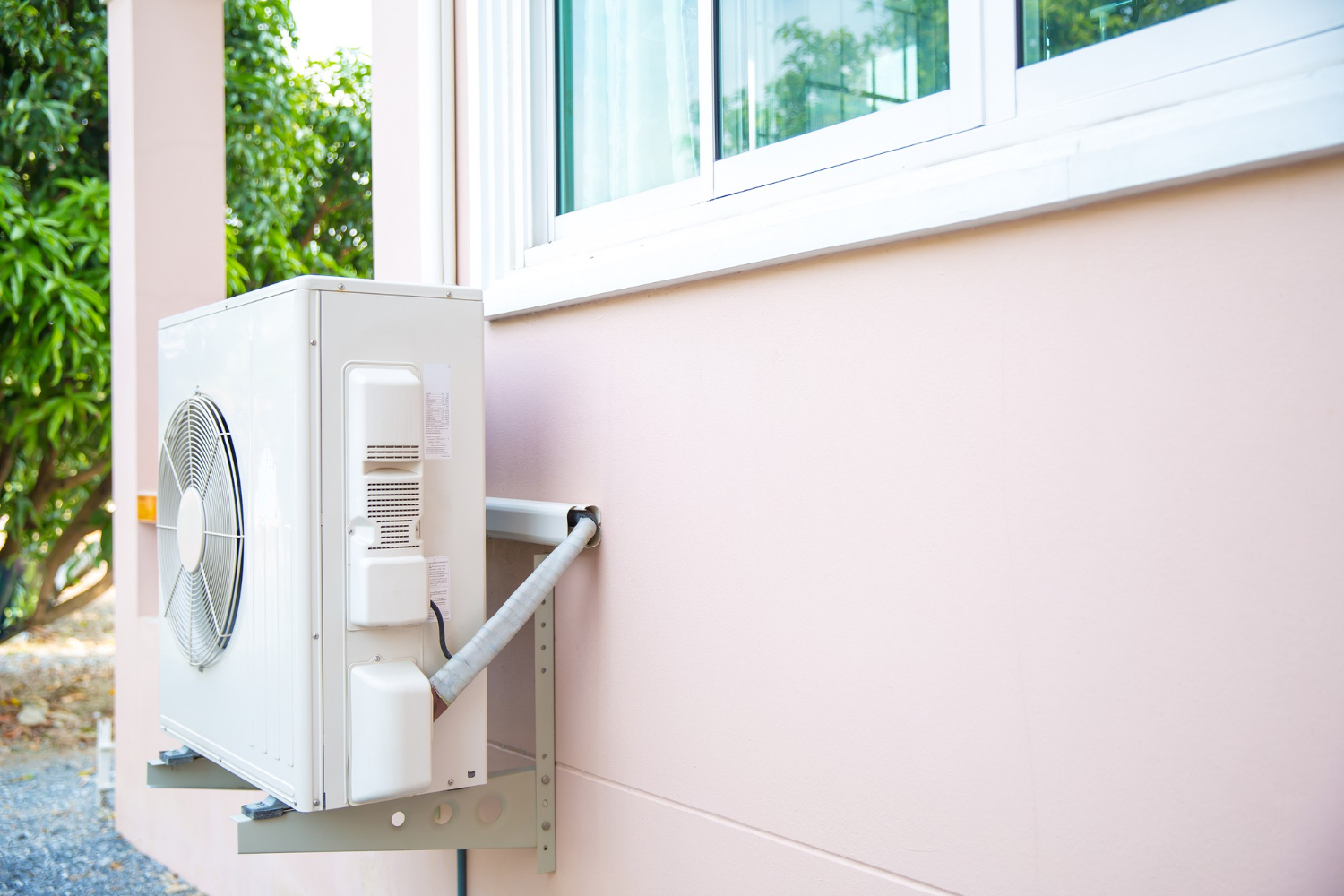
Heat pumps move heat rather than creating it. The unit is an air conditioner running in reverse, pulling ambient warmth from outdoor air, even cold air, and releasing it inside.
That distinction drives every difference below. Because it moves energy instead of burning it, a heat pump delivers more heat energy than the electricity it consumes, which no combustion appliance can do. If the idea is new, read up on how a heat pump works before comparing bids.
The tradeoff is supply air temperature. Heat pump air arrives around 90 to 100 degrees, warmer than your skin but cooler than furnace air, so it can feel drafty to someone used to gas heat.
Why Heat Pumps Suit This Climate
Denton County spends most of its winter between the upper 30s and the 60s, a heat pump’s efficiency sweet spot. Modern units hold performance well below freezing, and cold-climate models keep working into single digits.
Three advantages stand out here:
- One system handles both seasons, so you maintain and eventually replace a single piece of equipment instead of two
- No combustion means no flue, no gas connection, and no carbon monoxide risk from the heating side
- Variable-speed models run long, low cycles that hold temperatures steady and pull humidity better in shoulder seasons
Our cooling season also dwarfs our heating season. You are buying an excellent air conditioner that also heats.
Where a Gas Furnace Still Wins
Then come the days that shaped local opinion: February 2021, January 2024, and every hard freeze since. When temperatures drop into the teens, a heat pump’s capacity falls at exactly the moment your house needs the most heat. It leans on electric resistance strips, which work but consume electricity heavily and can produce startling bills.
Gas furnaces do not care. A furnace produces the same output at 8 degrees as at 45, and it delivers hotter air, which matters if your home has marginal insulation or leaky attic ductwork.
Grid strain is the other local consideration. During the worst freezes, residential gas service generally stayed on while electricity did not, though a furnace still needs power for its blower.
Dual-Fuel: The Option Most People Overlook
A dual-fuel or hybrid system pairs a heat pump with a gas furnace. The heat pump heats whenever it is efficient, and the furnace takes over below a temperature you and your installer set, often in the mid-30s.
For North Texas this is close to ideal. You get heat pump economy for the long mild stretch of winter and furnace muscle for the handful of days that are not.
The catch is cost. You are buying two heat sources, and the changeover logic has to be set correctly at heat pump installation or the system hands off at the wrong times. Dual-fuel fits best when you have gas service and your furnace and AC are both near end of life.
Cost Comparison
Every figure below is a typical North Texas range for a standard single-family home. Equipment tier, duct condition, and square footage move these numbers substantially, so treat them as orientation and get a real quote after someone walks your house.
Heat pump | Gas furnace + AC | Dual-fuel | |
Typical installed cost | $7,000 to $14,000 | $8,000 to $16,000 | $11,000 to $19,000 |
Winter operating cost | Low in mild weather, high on strip heat | Steady, tracks gas prices | Lowest overall |
Performance below 20°F | Reduced, needs backup heat | Full output | Full output |
Supply air temperature | 90 to 100°F | 120 to 140°F | Varies by mode |
Gas connection required | No | Yes | Yes |
Combustion safety checks | None | Annual, CO and venting | Yes, furnace side |
Typical lifespan | 12 to 15 years | 15 to 20 years | Mixed |
Rebates and credits | Often available | Rarely | Sometimes |
Operating cost tracks the local ratio between electricity and gas rates, which shifts year to year. In an average winter, a properly sized heat pump usually costs less to run. In a severe cold snap, it costs more.
Your Existing Setup Narrows the Choice Fast
Homes with existing gas service have the full menu. Piping, a flue, and combustion air provisions are already in place, so furnace-for-furnace is the least disruptive path and dual-fuel is on the table.
All-electric homes are looking at heat pumps by default. Adding gas service means a new line from the meter and coordination with the utility, which can add thousands and weeks. If you heat with electric resistance strips today, a heat pump will cut winter usage significantly.
Homes with attic equipment face a constraint most builders never mention. Access, platform size, and drain pan configuration affect what physically fits.
Panel capacity matters too. A heat pump with backup strips draws serious amperage, and older 100-amp services sometimes need upgrading first.
Timing It With Your Air Conditioner
Here is the point that saves people the most money: this is not really two decisions. An outdoor heat pump and an indoor air handler are matched as a system, and so are a condenser and a furnace with a coil. Replacing half now and half in three years means paying twice for labor and living with a mismatched pair in between.
If your AC is 12 or more years old and your furnace is a similar vintage, price them together. That is when switching to a heat pump or dual-fuel setup costs the least, since much of the labor overlaps.
When your AC is newer and only the furnace failed, a new gas furnace is the sensible move. Keeping the condenser and staying on schedule with AC maintenance protects the investment you already made.
When to Call a Pro
Comparing system types is homeowner homework, and you should do it. A broader look at heating systems in North Texas homes is a good next step.
Sizing is not homework. Correct selection requires a load calculation based on square footage, insulation, window area, orientation, and duct condition. Rule-of-thumb sizing produces systems that short cycle, run humid, and die early.
Installation involves refrigerant handling, high-voltage electrical, and on the furnace side, gas piping and venting. All of it is licensed work in Texas.
Frequently Asked Questions
Are heat pumps a good idea in Texas?
Yes, for most of the state including North Texas. Our winters spend most of their hours in the range where heat pumps run efficiently, and the long cooling season makes the dual-purpose design valuable. The planning question is how your system handles the days that drop into the teens.
Do heat pumps work during a hard freeze?
They keep running, but capacity falls as outdoor temperatures drop. Below roughly 25 to 30 degrees, a standard unit leans on electric backup heat, which raises your bill noticeably. Cold-climate models and dual-fuel systems handle sustained freezes far better than a basic heat pump alone.
Is a heat pump cheaper to run than a gas furnace?
In an average North Texas winter, usually yes, because moving heat takes less energy than burning fuel. During extended cold when backup strips engage, gas is typically cheaper. Actual savings depend on your electricity rate, your gas rate, and your home’s insulation.
How long does each system last?
Plan on 12 to 15 years for a heat pump and 15 to 20 for a gas furnace, with annual maintenance. Heat pumps run year-round, roughly double a furnace’s runtime, which is why their service life is shorter. Both fall short of those ranges when maintenance gets skipped.
Can I switch from a gas furnace to a heat pump?
Often yes, though it depends on electrical panel capacity, duct sizing, and the space your current equipment occupies. Ductwork designed for hot furnace air sometimes needs modification to move the larger volume a heat pump requires. A load calculation and an in-home evaluation will tell you.
Talk It Through With Someone Local
Choosing between these systems comes down to your house, your gas situation, and your budget. Rite NOW AC, Heating & Plumbing installs both across Denton, Corinth, Highland Village, Double Oak, and nearby communities, with more than 40 years behind the work and financing available. Call (940) 213-1989 for a straight comparison.