Your furnace has been sitting idle since spring, and the first time you’ll really lean on it is the morning a cold front drops the temperature into the 30s. That is exactly the wrong moment to discover it won’t light. A fall tune-up is a small, inexpensive step that catches problems while it is still comfortable outside — and it keeps your system running safely and efficiently all winter. Here’s what that service involves, and why Denton homeowners are smart to book it early.
Why a Fall Furnace Tune-Up Matters in Denton
Denton winters are mild compared with the northern states, but that is part of the problem: a furnace that only runs a few months a year sits unused for long stretches, and dust, wear, and small issues go unnoticed until the system is suddenly working hard on the coldest night. A tune-up restores efficiency, extends the life of the equipment, and — most importantly — verifies that the system is burning fuel safely. It is preventive care that costs a fraction of an emergency no-heat repair.
When Should You Schedule Your Furnace Tune-Up?
The ideal window is early fall — September into October — before the first real cold snap arrives. Booking early has two advantages. First, if the technician finds a part that needs replacing, there is time to handle it calmly instead of during a hard freeze. Second, you beat the seasonal rush: once temperatures drop and everyone’s heat kicks on at once, schedules fill up fast and any needed repair competes with a wave of emergency calls. A tune-up on a quiet September afternoon is far less stressful than a repair on the first freezing morning.
What Is Included in a Professional Furnace Tune-Up
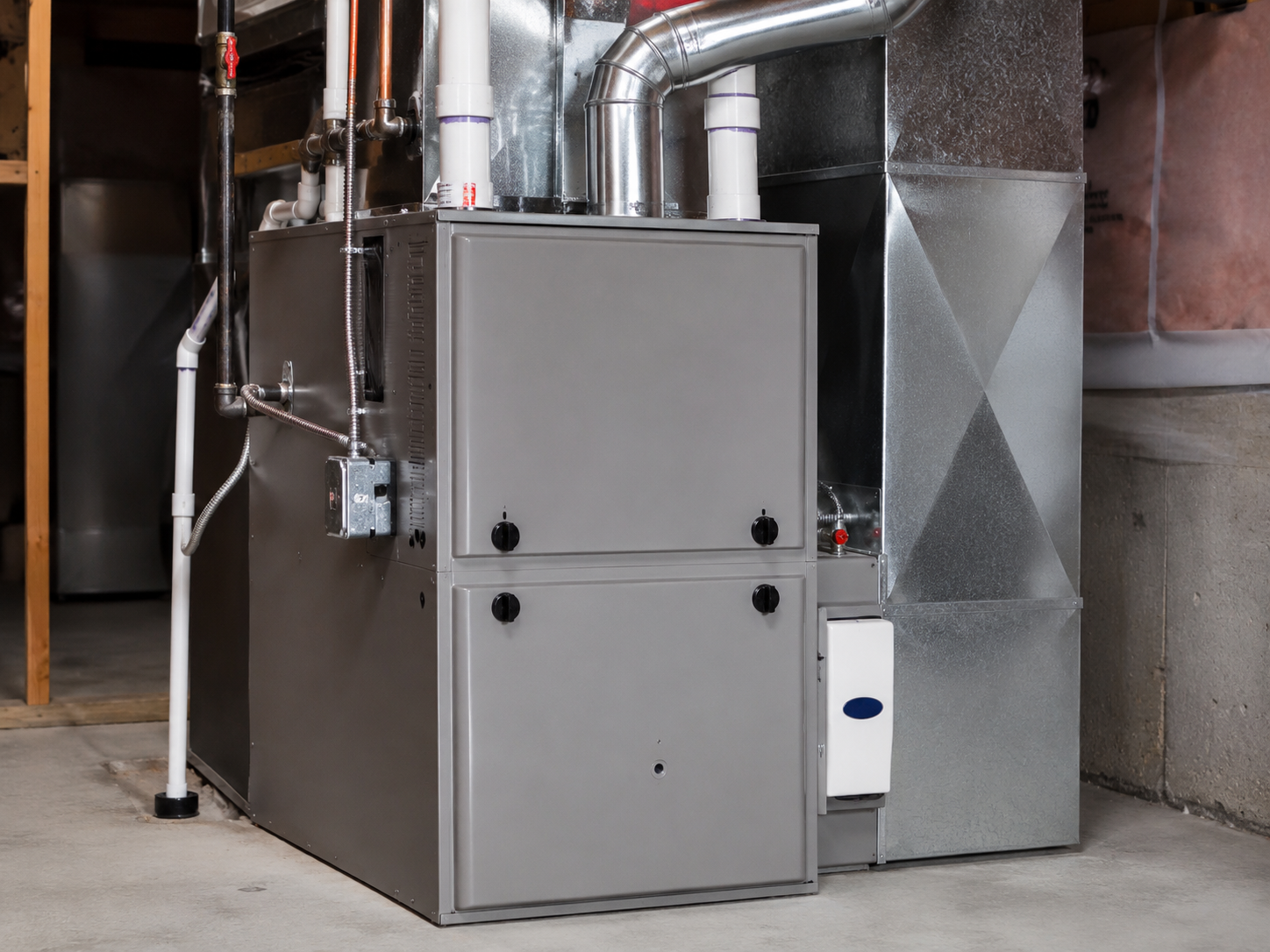
A thorough tune-up is more than a quick glance at the unit. When our technicians service your furnace, the visit typically includes:
- Inspecting the heat exchanger for cracks — a critical safety check, since a cracked heat exchanger can leak carbon monoxide.
- Testing and calibrating the thermostat to confirm it is reading and controlling temperature accurately.
- Checking and cleaning the burners and flame sensor so the furnace lights reliably and burns cleanly.
- Inspecting the ignition system, whether it uses a hot-surface igniter or a pilot.
- Examining electrical connections, the blower motor, and safety controls.
- Checking gas pressure and connections for leaks on gas systems.
- Replacing or advising on the air filter and confirming proper airflow.
- Verifying that the system cycles on and off correctly from start to finish.
What You Can Check Yourself Before We Arrive
There are a few simple things any homeowner can do between professional visits. Replace your air filter if it looks gray and clogged — a dirty filter is one of the most common causes of poor heating and strained equipment. Make sure supply and return vents are open and not blocked by furniture or rugs. Test your thermostat by switching it to heat and setting it a few degrees above room temperature to confirm the system responds. And replace the batteries in your carbon monoxide detectors — heating season is exactly when they matter most. None of this replaces a professional tune-up, but it keeps your system breathing between visits.
Warning Signs Your Furnace Needs Attention Now
Do not wait for your scheduled tune-up if you are already noticing trouble. Call sooner if you experience any of the following:
- Short cycling — the furnace turns on and off repeatedly without completing a full heating cycle.
- Weak airflow or air that never feels quite warm enough at the vents.
- Unusual smells, especially a burning or acrid odor, or any hint of gas.
- Strange noises such as banging, rattling, screeching, or a persistent clicking when the system tries to start.
- A yellow or flickering burner flame instead of a steady blue one.
- Rising heating bills without a change in how you use the system.
Any smell of gas or a suspected carbon monoxide issue is an emergency — leave the home and call for service right away.
Furnace vs. Heat Pump: Does Your System Change the Checklist?
Many Denton homes are heated by a gas furnace, but heat pumps are increasingly common, and they need seasonal attention too. A heat pump both heats and cools, so it runs year-round and benefits from a check-up before the heating season to confirm the reversing valve, defrost cycle, and auxiliary heat are all working. If you are not sure which system you have, we can identify it during the visit and tailor the service accordingly. Either way, the principle is the same: a pre-winter inspection catches small issues before they become cold-night emergencies.
The Cost of Skipping a Tune-Up
It is tempting to skip maintenance on a system that seemed fine last winter, but the risks add up. A neglected furnace runs less efficiently, quietly raising your energy bills all season. Small problems — a weak igniter, a dirty flame sensor, a failing capacitor — tend to fail at the worst possible moment, turning a $20 part into an after-hours emergency call. And an uninspected heat exchanger is a genuine safety concern. A tune-up is one of the highest-value services in home maintenance precisely because it prevents the expensive, dangerous, and inconvenient problems before they start.
Frequently Asked Questions About Furnace Tune-Ups in Denton
How often should I have my furnace serviced?
Once a year is the standard recommendation, ideally in the fall before heating season begins. Annual service also helps keep many manufacturer warranties valid.
How long does a furnace tune-up take?
A typical tune-up takes about an hour, though it can run longer if the technician finds an issue that needs a closer look or a minor adjustment on the spot.
Does a tune-up really save money?
Yes — in two ways. A clean, properly calibrated furnace runs more efficiently, which lowers your monthly bills, and catching small problems early prevents far more expensive emergency repairs down the line.
My furnace worked fine last winter. Do I still need one?
A furnace can seem fine right up until it isn’t. Many failures come from wear that builds gradually and only shows up under load on a cold night. An annual check is the point at which those issues get caught early.
Do you service both gas furnaces and heat pumps?
Yes. Our technicians service gas furnaces, heat pumps, and other heating systems. Let us know what you have when you schedule, or we can identify it during the visit.
Schedule Your Fall Furnace Tune-Up With Rite NOW
Get ahead of the cold and the seasonal rush. Our licensed technicians will make sure your heating system is safe, efficient, and ready for winter — serving Denton and the surrounding area.