Most Denton homes are built on a concrete slab, with water lines running through and beneath it. That works fine — until the ground underneath starts moving. Our long, hot, dry summers are hard on North Texas soil, and that movement is one of the leading causes of slab leaks: hidden pipe leaks under your foundation that can quietly run up your water bill, damage your floors, and threaten the slab itself. Here’s why summer is prime season for them, and how to catch one early.
What Is a Slab Leak — and Why Summer Makes It Worse
A slab leak is a leak in one of the water lines running below or within the concrete foundation of your home. What makes them so common in our area is the soil. North Texas sits on expansive clay that swells when it is wet and shrinks when it dries out. During a hot Denton summer — weeks of triple-digit heat and little rain — that clay contracts and pulls away, causing the foundation to shift and settle unevenly. That movement puts stress on the rigid pipes locked in the slab, and over time it can cause them to crack, rub through, or pull apart at a joint. It is why so many slab leaks first show up in the heat of summer.
The Warning Signs of a Slab Leak
Because the leak is hidden under concrete, you rarely see the water directly. Instead, you notice the symptoms. Watch for:
- A sudden, unexplained spike in your water bill with no change in how you use water.
- The sound of running water when every faucet and fixture in the house is turned off.
- A warm or hot spot on the floor, which can indicate a leak in a hot-water line.
- A drop in water pressure throughout the home.
- Cracks appearing in your flooring, walls, or the foundation itself.
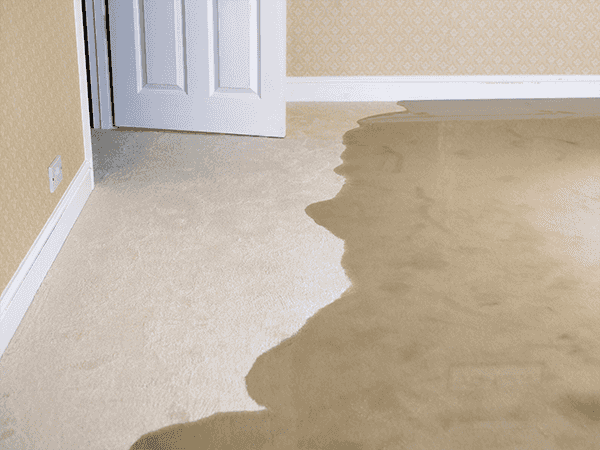
- Damp, warped, or discolored flooring, or a musty, mildew smell from moisture under the slab.
- The sound of your water heater or well pump running more than it should.
Any one of these is worth investigating. Several of them together is a strong signal to call a plumber right away.
Why You Should Never Ignore a Slab Leak
A slab leak will not fix itself, and the longer it runs, the more it costs. Beyond the wasted water on every monthly bill, a leak under the slab keeps the soil beneath your foundation saturated, which worsens the very soil movement that caused the problem — accelerating foundation damage. Left long enough, that moisture leads to mold growth, ruined flooring, and structural repairs that dwarf the cost of fixing the pipe. Catching a slab leak early is almost always the difference between a targeted repair and a major, expensive project.
How Slab Leaks Are Found and Fixed
You do not have to jackhammer your whole floor to find a slab leak. Professional plumbers use electronic leak-detection equipment — acoustic listening devices and pressure testing — to pinpoint the leak’s location before any concrete is touched. Once located, there are usually a few repair options depending on the pipe and the situation: a targeted spot repair that opens only a small section of the slab, rerouting the affected line, or repiping if the plumbing is old and failing in multiple places. A good plumber will explain the trade-offs and recommend the approach that makes the most sense for your home and budget.
Can You Prevent Slab Leaks?
You cannot control the North Texas clay, but you can reduce your risk and limit damage. During dry summer stretches, consistent watering around your foundation helps keep the soil from shrinking and pulling away — many local homeowners run soaker hoses a few feet out from the foundation to keep moisture even. Keeping your home’s water pressure within a normal range (excessively high pressure stresses pipes), addressing small plumbing issues before they grow, and scheduling periodic plumbing inspections all help. And knowing the warning signs above means that if a leak does start, you catch it early.
Frequently Asked Questions About Slab Leaks in Denton
How much does it cost to fix a slab leak?
It depends on the location of the leak and the repair method — a small spot repair costs far less than rerouting a line or repiping. The most important factor in keeping the cost down is catching it early, before it causes foundation or flooring damage. We provide a clear estimate after locating the leak.
Will my homeowner’s insurance cover a slab leak?
Many policies cover the resulting water damage, and some help with accessing the leak, though coverage of the pipe repair itself varies. Check your specific policy, and document everything. We are happy to provide the detailed paperwork insurers typically ask for.
Can I fix a slab leak myself?
No — slab leaks are under concrete and require specialized detection equipment to locate accurately, plus the right approach to repair without causing more damage. This is a job for a licensed plumber.
How do I know it’s a slab leak and not something else?
Many slab-leak symptoms — high bills, low pressure, running-water sounds — overlap with other plumbing problems. A plumber can confirm it with pressure testing and electronic leak detection rather than guesswork, so you are not tearing into a floor on a hunch.
Does Rite NOW offer slab leak detection in Denton?
Yes. We use professional leak-detection equipment to locate slab leaks accurately and walk you through your repair options before any work begins.
Suspect a Slab Leak? Call Rite NOW
If your water bill jumped, your floor has a warm spot, or you hear water running when everything is off, don’t wait — a slab leak only gets more expensive with time. Our licensed plumbers will locate the problem and give you honest options, serving Denton and the surrounding area.