A drain that keeps clogging is telling you something. Clearing it gets water moving again, but it doesn’t tell you why the clog formed or whether it’s coming back next month.
A sewer camera inspection answers that question. Instead of guessing, a technician sends a small waterproof camera down the line and shows you exactly what’s inside your pipe.
Here is what the camera finds, what each problem means, and when it’s worth getting one.
How a Camera Inspection Works
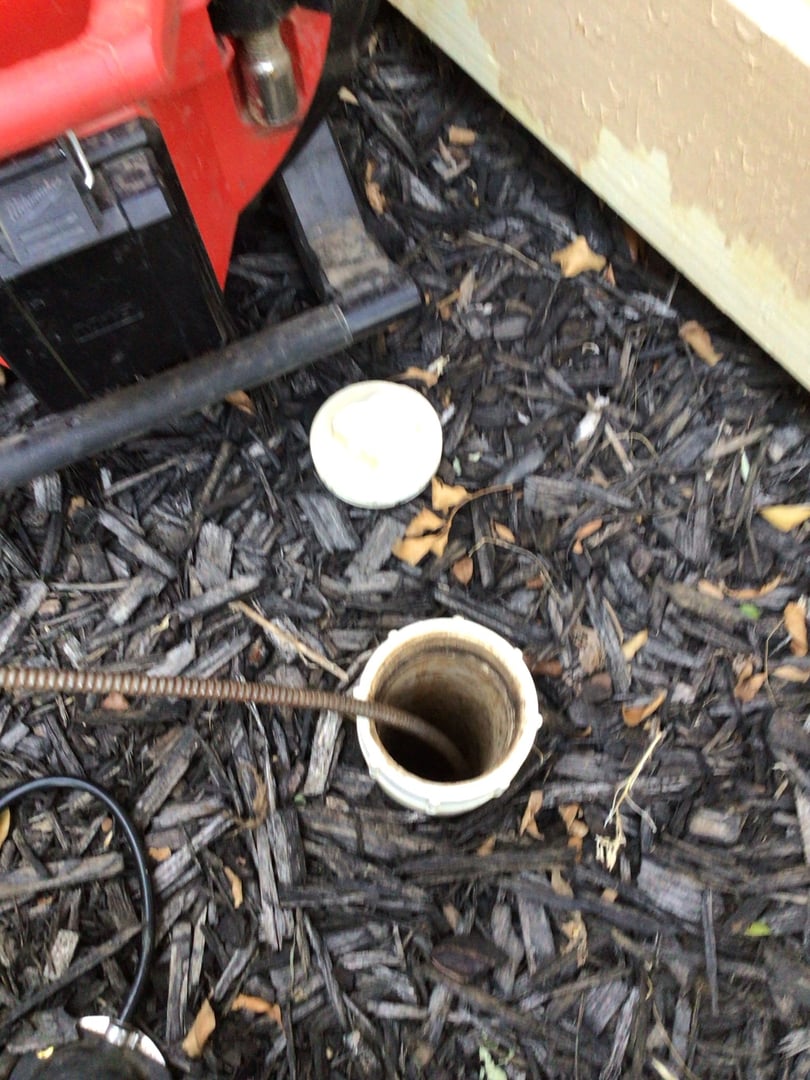
The camera sits on the end of a long, flexible cable. A technician feeds it into the line through a cleanout or a drain opening and watches a live video feed as it travels toward the city connection.
Most systems also include a locator. When the camera finds a problem, the technician can mark the spot on the ground above it, including how deep it is. That matters later, because it means a repair can target one section instead of digging up the whole yard.
The inspection doesn’t damage anything, and you can watch the screen while it happens.
What the Camera Can Find
1. Tree roots
Roots go looking for water, and a sewer line is full of it. They enter through tiny gaps at pipe joints, then grow into a net that catches paper and grease. On camera, roots look like hair or fibrous clumps hanging into the pipe.
2. Grease and buildup
Cooking grease, soap and food scraps coat the inside of the pipe and narrow it over time. This is common in kitchen lines and gets worse after the holidays.
3. Bellies, or sagging sections
A belly is a low spot where the pipe has sunk. Water and waste sit in it instead of draining, and clogs keep forming in the same place. North Texas clay soil expands when it’s wet and shrinks when it’s dry, which can shift buried pipe over the years.
4. Offset or separated joints
When soil moves, sections of pipe can slide out of line. On camera you’ll see a ledge where one section meets the next. Offsets catch debris and let roots in.
5. Cracks and breaks
Older pipe materials crack with age and ground movement. A break can let sewage leak into the soil and let soil wash into the pipe.
6. Corroded cast iron
Many older homes have cast iron drain lines. Over decades the inside rusts and scales, which narrows the pipe and creates a rough surface that snags everything going by.
7. Objects that don’t belong
Wipes, toys, feminine products and construction debris turn up more often than you’d think. Even “flushable” wipes don’t break down the way toilet paper does.
Quick Reference: What the Camera Shows and What It Means
What the camera shows | What it means | Typical next step |
|---|---|---|
Grease or soft buildup | Line is narrowing | Drain clearing or jetting, then prevention habits |
Small root intrusion | Roots entering at a joint | Clear the roots; recheck on a schedule |
Heavy roots at many joints | Joints are failing | Repair those sections |
Belly or sag | Pipe has sunk | Repair that section if clogs keep returning |
Offset joint | Ground has shifted | Section repair |
Crack or break | Pipe is failing | Section repair or replacement |
Heavy cast iron scale | Pipe is wearing out | Descaling or replacement, depending on condition |
Foreign object | Something got flushed | Remove it, then clear the line |
If the camera shows only buildup or a single object, clearing the line is usually the whole fix.
When You Need a Camera Inspection
- The same drain clogs again within a few weeks or months.
- More than one drain is slow at the same time.
- Toilets gurgle or bubble when you run water elsewhere.
- You smell sewage inside or in the yard.
- You see soggy spots or extra-green patches over the sewer line.
- You’re buying an older home and want to know what’s underground.
- You’ve had roots cleared before and want to know how fast they’re returning.
When to Call a Pro
A plunger is fine for a single slow sink or toilet. Skip repeated chemical drain cleaners: they rarely fix a line problem and can be hard on older pipes.
If several drains back up at once, or sewage comes up in a tub or floor drain, stop using water in the house and call a plumber. Sewage backups carry bacteria, so keep kids and pets away and don’t try to clean it up without protection.
Frequently Asked Questions
How long does a sewer camera inspection take?
Most inspections take under an hour, depending on how long the line is and how easy it is to reach.
Do you need to dig to do a camera inspection?
No. The camera goes in through a cleanout or drain opening. Digging only comes up if the camera finds a problem that needs a repair.
Can I watch the inspection?
Yes, and you should. Seeing the inside of your own pipe makes the recommendation easy to understand.
Will a camera inspection fix my clog?
The camera finds the cause; clearing the line fixes the clog. That’s why we pair them: clear the drain, then show you what caused the backup.
Should I get a sewer inspection before buying a home?
It’s worth it for any older home. A standard home inspection usually doesn’t look inside the sewer line, and a repair can be expensive to discover after closing.
$93 Drain Clear, or It’s Free, Plus a Free Camera Inspection
Through March 1, Rite NOW will clear your drain for $93 or it’s free, and include a free camera inspection so you can see what caused the problem [exact terms from EDDM card]. Learn more about drain clearing and drain camera inspection, or see all current specials.
Rite NOW AC, Heating & Plumbing serves Denton, Corinth, Lantana, Flower Mound, Highland Village, Argyle and neighboring North Texas towns. Call (940) 286-5373 to schedule.