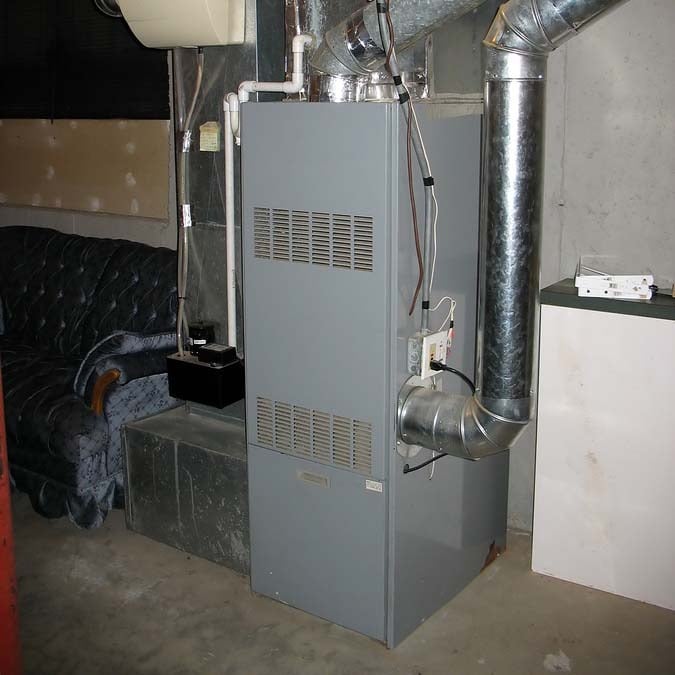
Most homeowners have never watched a furnace get replaced. That makes the day feel bigger than it is, and it makes it hard to tell a careful installation from a rushed one.
A furnace swap is usually a one-day job. What separates a good one from a bad one happens in the hours before the old unit comes out and the hour after the new one fires up.
Here is what to expect, step by step, so you know what you’re paying for and what to ask about.
Before Install Day
1. The right size, measured, not guessed
A new furnace should be sized to your house, not to the old furnace. Many older homes in Denton County have equipment that was oversized from the start, and an oversized furnace short-cycles, wears out faster and leaves rooms uneven.
A proper sizing looks at square footage, insulation, windows, ceiling height and duct layout. If a quote is based only on the number printed on your old unit, ask how they arrived at it.
2. Matching the furnace to your AC
In most North Texas homes the furnace and the air conditioner share the same blower and coil. The new furnace has to match the airflow your AC needs in summer, or you trade a heating problem for a cooling one.
This is also the moment to decide whether a gas furnace is still the right fit or whether a heat pump makes more sense. Our guide on heat pump vs. furnace covers that choice.
3. Permits and scheduling
Most cities in our area require a permit and inspection for furnace replacement, and in Texas the work must be done by a licensed HVAC contractor. A legitimate installer pulls the permit for you. If someone suggests skipping it, that tells you how they treat the rest of the job.
4. Getting the house ready
You don’t need to do much. Clear a path to the furnace, whether it sits in the attic, a closet or the garage. Move cars if the crew needs the driveway. Plan for the heat to be off for most of the day, and keep pets away from open doors and the work area.
On Install Day
5. Shutting down the old system safely
The crew turns off power and gas to the furnace, then disconnects the gas line, venting, electrical and ductwork. On a gas unit, the gas line is capped and checked before anything else happens.
6. Removing the old furnace
The old unit comes out and is hauled away. In attic installations this is the most physical part of the job, and floors and stairways should be covered along the way.
7. Setting the new furnace
The new furnace goes in level and supported, and is connected to the existing coil and ductwork. Transitions between the furnace and the ducts are sealed so conditioned air doesn’t leak into the attic.
8. Gas, venting and drain connections
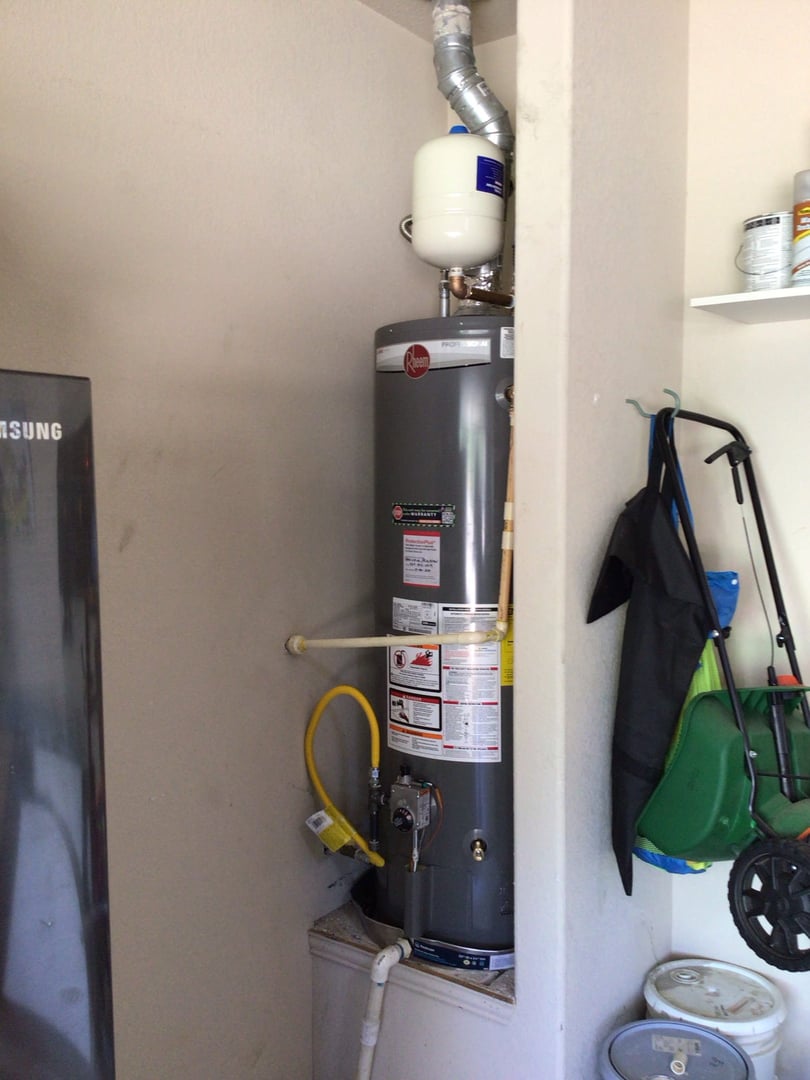
This is where shortcuts cause real problems. Gas connections get a new shutoff and are leak-tested. Venting has to match the furnace type: standard furnaces vent through metal flue pipe, while high-efficiency condensing furnaces use plastic pipe and need a drain for the water they produce.
9. Thermostat and electrical
The thermostat is reconnected or replaced, and wiring is checked so the furnace, AC and thermostat all talk to each other correctly.
After the New Furnace Fires Up
10. Startup and testing
A proper startup is more than seeing warm air. Expect the technician to check gas pressure, temperature rise across the furnace, airflow, flame quality and venting draft, and to confirm the safety switches work.
11. Carbon monoxide check
The flue and the area around the furnace should be checked for carbon monoxide. Make sure you have working CO alarms in the house, especially near bedrooms.
12. Walkthrough and paperwork
Before the crew leaves, you should know where the filter goes and what size it is, how to work the thermostat, what the warranty covers and when the city inspection is scheduled. Register the equipment warranty with the manufacturer right away.
Quick Reference: What a Proper Replacement Includes
Step | What should happen | Why it matters |
|---|---|---|
Sizing | Load calculation based on the house | Prevents short cycling and uneven rooms |
AC match | Furnace airflow matched to the AC and coil | Keeps summer cooling working right |
Permit | Pulled by the contractor | Inspection catches safety issues |
Gas line | New shutoff, leak test | Prevents gas leaks |
Venting | Correct pipe for the furnace type | Keeps combustion gases out of the house |
Condensate drain | Installed on high-efficiency units | Prevents water damage |
Startup | Gas pressure, temperature rise, airflow checked | Confirms safe, efficient operation |
Walkthrough | Filter, thermostat, warranty explained | You know how to care for it |
How Long Does It Take?
A straightforward swap of a furnace in the same spot usually takes most of a day. Attic installations, a change from standard to high-efficiency venting, or replacing the AC coil at the same time can add hours. Your installer should give you a realistic window before they start.
When to Call a Pro
You can safely check your thermostat settings, change the filter and look for obvious problems like a tripped breaker. Anything involving gas, venting or electrical connections belongs to a licensed technician.
If you smell gas, leave the house first, then call 911 and your gas utility from outside. If your carbon monoxide alarm sounds, get everyone outside and call 911.
If you’re not sure your furnace needs replacing at all, start with our furnace repair or replace guide or book a furnace repair visit.
Frequently Asked Questions
How long does a furnace replacement take?
Most replacements are finished in one day. More complex jobs, like attic installs or switching to a high-efficiency furnace with new venting, can take longer.
Do I need to be home during the installation?
Someone should be there at the start to let the crew in and at the end for the walkthrough. You don’t need to watch the whole job.
Will I have heat the same night?
In most cases, yes. The goal is to have the new furnace running and tested before the crew leaves.
Should I replace my AC at the same time?
Not always. If your AC is newer and matches the new furnace, it can stay. If it’s 12 or more years old or uses an older refrigerant, replacing both at once can save on labor and makes sure the system is matched.
What size furnace do I need?
It depends on your home, not just its square footage. Insulation, windows and ductwork all matter. A proper load calculation is the only reliable way to size a new furnace.
Ask About Our Free Furnace Offer
Thinking about replacing your furnace this winter? Through March 1, Rite NOW is offering a free furnace. See all current specials or learn more about furnace replacement.
Rite NOW AC, Heating & Plumbing serves Denton, Corinth, Lantana, Flower Mound, Highland Village, Argyle and neighboring North Texas towns. Call (940) 286-5373 to schedule a replacement estimate.