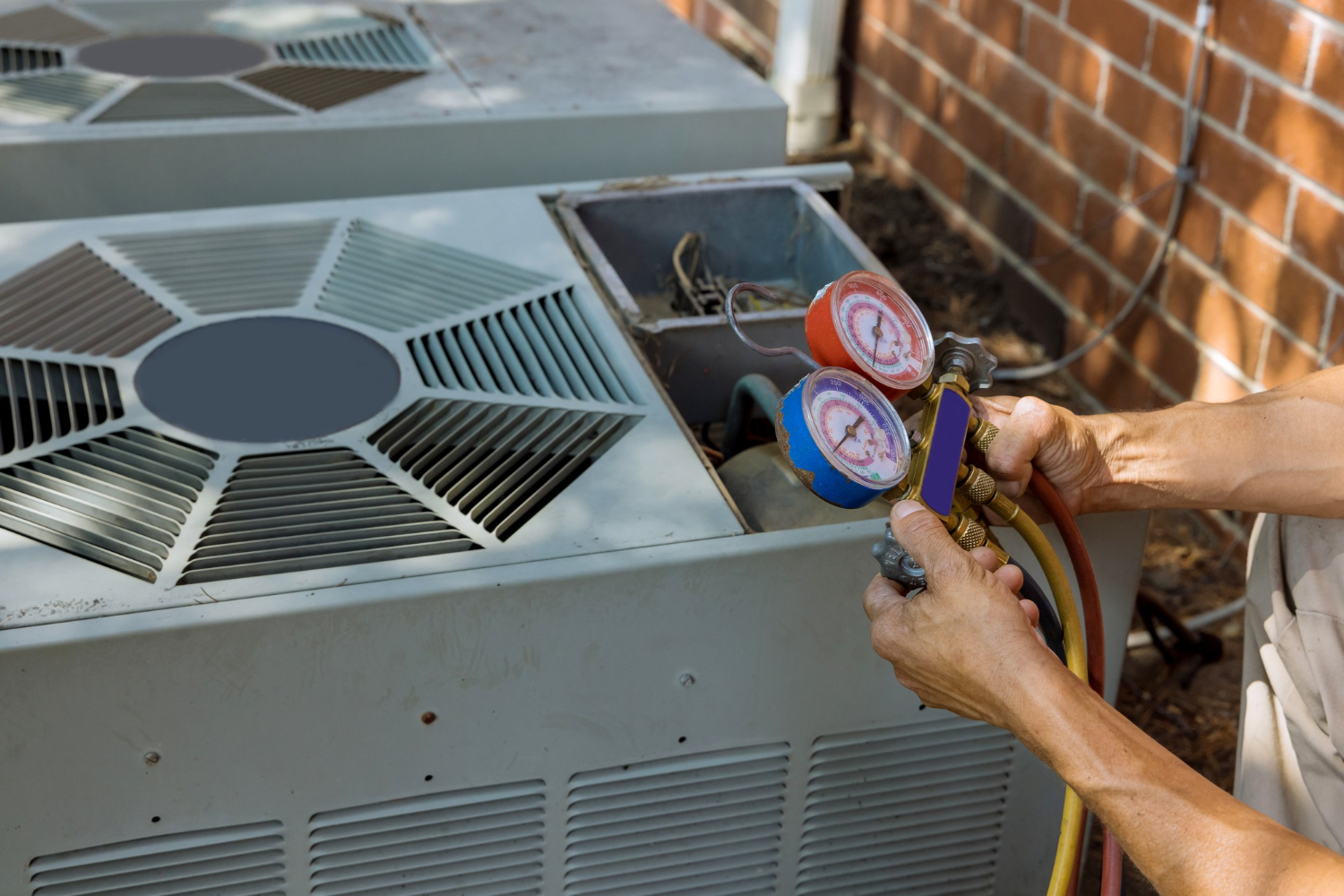
Over time, heating and cooling systems lose power, struggle to work efficiently, or just stop doing their job well. When that happens more often than you’d like, it might mean you’re due for a full HVAC system replacement. This is especially true in places like Denton, Texas, where cold winters roll in quickly, and sticking with a worn-out system just adds stress. Having reliable heat in January isn’t just a luxury. It’s something your home needs to stay safe and comfortable.
If your old unit is constantly running, not keeping up with demand, or costing more every season, it’s probably not going to turn itself around. Getting clear about when and why to replace the whole system instead of patching it is the first step toward making the right decision for your home. Let’s take a closer look at what to expect and how to make the process go more smoothly.
When Do You Know It’s Time to Replace?
Knowing when to plan for a full system change can save you from facing bigger problems down the road. If heat isn’t flowing evenly through your house or you’ve started to see higher electric bills despite no real change in use, your system might be signaling that it’s near the end.
- Uneven temperatures between rooms
- Spike in energy use without a known cause
- Frequent service calls or repeat part replacements
- A system that’s over 10-15 years old
Texas winters may not last as long as up north, but they still push older HVAC systems harder. Cold nights can overwork heating components, especially if the system is already struggling. Sometimes it costs less in the long run to invest in a new unit than to keep patching one that’s clearly near its limit. Following updated energy efficiency guidelines for HVAC systems can also help you decide when the timing is right.
If you notice your system is taking longer to heat each room, or if you keep hearing odd noises coming from the vents, these are also signals that it might be nearing the end of its life. Over time, these issues usually get worse, not better, and ignoring them can lead to more stress. Scheduling a checkup before the weather gets too cold can make the process less urgent.
What to Expect During a Replacement
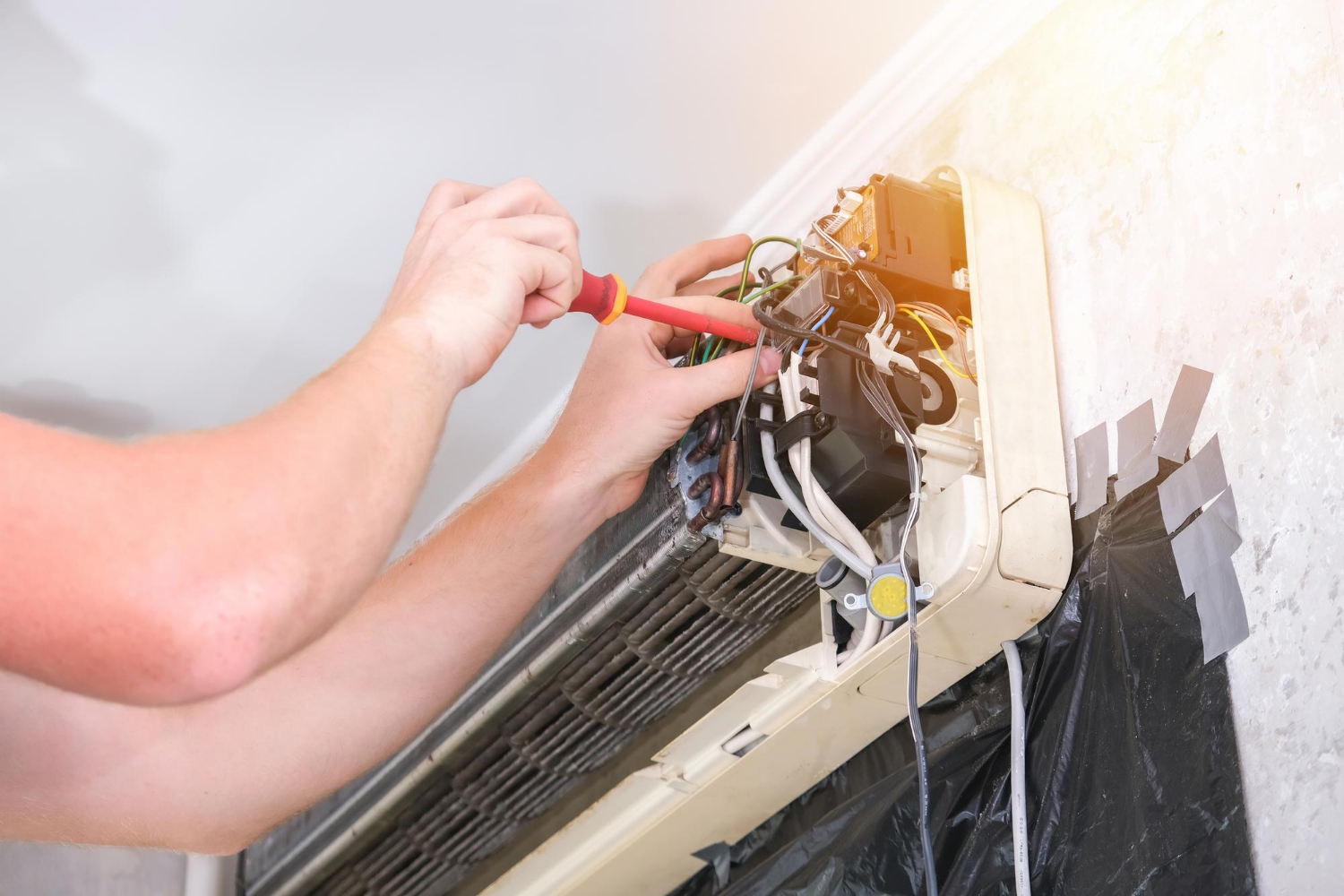
Once you’ve decided to move forward with a new system, the next step is knowing what the job includes. Removing the old unit comes first. This involves safely disconnecting gas lines, wires, and refrigerant, and preparing the space for the new equipment.
After that, the new system gets installed based on size and layout. HVAC pros will check your ductwork to make sure it can handle the airflow and check if your current thermostat still works with the updated system. Most setups take a day or two from start to finish.
- System size must match the square footage of your home
- Ducts may need small repairs to prevent heat loss
- Power must be shut off for part of the process
- Final testing makes sure everything runs as it should
It’s good to know ahead of time that heating might be interrupted for a few hours. Planning around milder winter days makes that part a little easier.
When replacement starts, expect technicians to protect your walls and floors with covers while they bring equipment in and out. You might notice some extra noise as old equipment is removed and new parts are installed, but this usually doesn’t last long. If you have questions during the process, don’t hesitate to ask. Our technicians are happy to explain what they’re doing.
Choosing the Right System for Your Home
Not every HVAC system is the same, and how your home is built plays a big role in deciding what fits best. Some homes do well with traditional gas furnaces and central AC, while others may benefit from heat pumps, especially in milder winters like we often have in Denton.
Think about what matters most. Some systems are quieter, others use less electricity, and some offer smart thermostat connections that help manage energy use.
- Gas systems usually heat faster and are common in older homes
- Heat pumps work well for homes needing both heating and cooling
- Upgraded models tend to be more efficient, which helps with energy use over time
- Well-designed systems also improve air circulation, contributing to better comfort and HVAC system design and indoor air quality throughout the home
Climate matters too. In warm and humid summers, it helps to choose a system that removes extra moisture while cooling. In winter, you need reliable, steady heat even on those surprise freezing days.
When you’re selecting a new system, your HVAC professional will consider things like how many windows your home has, insulation levels, and your family’s daily routines. Thinking ahead about the features you want, such as smart controls or quieter operation, can help narrow down the best options. The installation team can also walk you through the pros and cons of each type to help make the decision easier.
How to Prepare Before Your Appointment
Getting ready for your installation day helps the job go quicker and smoother. Clear paths to vents, units, and indoor equipment so there’s nothing in the way. If you have pets, make sure they’re safe in another room during the visit.
- Open up crawlspaces or closets near indoor equipment
- Move furniture or items around the vents and thermostat
- Jot down any past problems you want to ask the technician about
- If you’ve recently added other upgrades like water heater installation services, make sure all systems are working side by side without overload
It’s a good idea to be home during the work in case questions come up. Having one point of contact and being available for approvals helps avoid delays. Before the appointment, consider having your system checked just to confirm the issue and make sure nothing else is being overlooked.
Planning meals and activities ahead of time can help your family manage for a few hours without heating or cooling. If you have young children or elderly relatives at home, make sure they stay comfortable while the system is off. Setting aside a few blankets and keeping hot drinks handy can be a small comfort.
Breathe Easier With a Warmer, More Reliable Home
A new HVAC system doesn’t just make your house feel better in the moment; it gives you peace of mind each season. You can stop worrying about whether the heat will hold on through January or if that next noise means another repair is coming.
Knowing what to expect helps ease the process from decision to install. With the right prep and the right system for your home, you’ll enjoy more comfort, better air flow, and fewer surprises when the weather outside shifts again.
FAQs
How long does a new HVAC system last?
Most systems last 10 to 15 years, depending on use, weather, and upkeep.
Can I replace just the heater or AC and not the whole system?
Yes, but it depends on compatibility. A full replacement is better when both parts are close to aging out.
Do I need to leave my home during the replacement?
No, but you may need to stay clear of the work areas while it’s going on.
How do I choose the right size HVAC system?
A licensed tech can measure your home and help choose the right system based on square footage and layout.
What are signs my current system is failing?
Warm or cold spots, loud noises, frequent repairs, and high bills are all signs something’s wrong.
Will a new HVAC unit lower my power bill?
It can if your old unit was running inefficiently or cycling too often.
How long does the replacement process take?
Most replacements take one to two days, not including any ductwork changes.
Can winter weather delay my installation?
Yes, heavy ice or storms can sometimes impact scheduling or outdoor work.
What’s the best time of year to replace an HVAC system?
Late winter or early spring gives you time before heating or cooling season ramps up.
Does ductwork need to be replaced with a new system?
Not always, but if it’s leaking or undersized, it might need updating for best performance.
Ready to make your home more comfortable and energy-efficient? It’s time for an HVAC system replacement to ensure your space stays cozy no matter the season. At Rite NOW A/C and Heating, we are committed to guiding you through the process and helping you select the best system for your unique needs. Contact our HVAC experts today and take the first step toward a more reliable and efficient home heating and cooling experience.