In Texas, cooler months do not last long. By February, the air can shift quickly, bringing in warmer days that remind us how important reliable air conditioning really is. If you are starting to think ahead to spring and wondering whether your home is ready, you are not alone. Preparing for a professionally installed residential air conditioning system might sound like a huge task, especially if you have never gone through one before. But with a little planning, the process need not be confusing or stressful. We are here to walk you through how it works, why timing matters, and how to prep your home so everything goes as smoothly as possible.
Why You Might Need a New Cooling System
If your current AC takes longer to cool the house than it used to or seems to be working harder lately, those could be signs it is wearing out. Another common issue is uneven cooling between rooms. If one part of your home feels cooler while the rest stays warm, it could be that your unit is struggling to keep up, especially with older systems.
North Texas weather brings quick shifts through late winter into spring. When daytime highs jump unexpectedly, your system might be pushed into cooling mode before it is fully ready. Aging systems often show their limits during these quick changes. Constant repair calls or loud noises from the unit are red flags that it is time to consider something more dependable. Trying to get by with repeated AC repair services can become frustrating and expensive over time. At a certain point, continuing to fix the old system just keeps adding short-term costs without solving the bigger problem. That is when a full replacement starts to make more sense.
Sometimes, you might also notice strange smells when your AC kicks on or increasing energy bills that do not match your typical usage. These are other clues that your system is becoming less efficient. It is common for homeowners to overlook these issues until a bigger problem arises, but paying attention early can save you headaches and help you plan for a timely replacement before the heavy heat sets in.
What Happens During a Residential Air Conditioning Installation
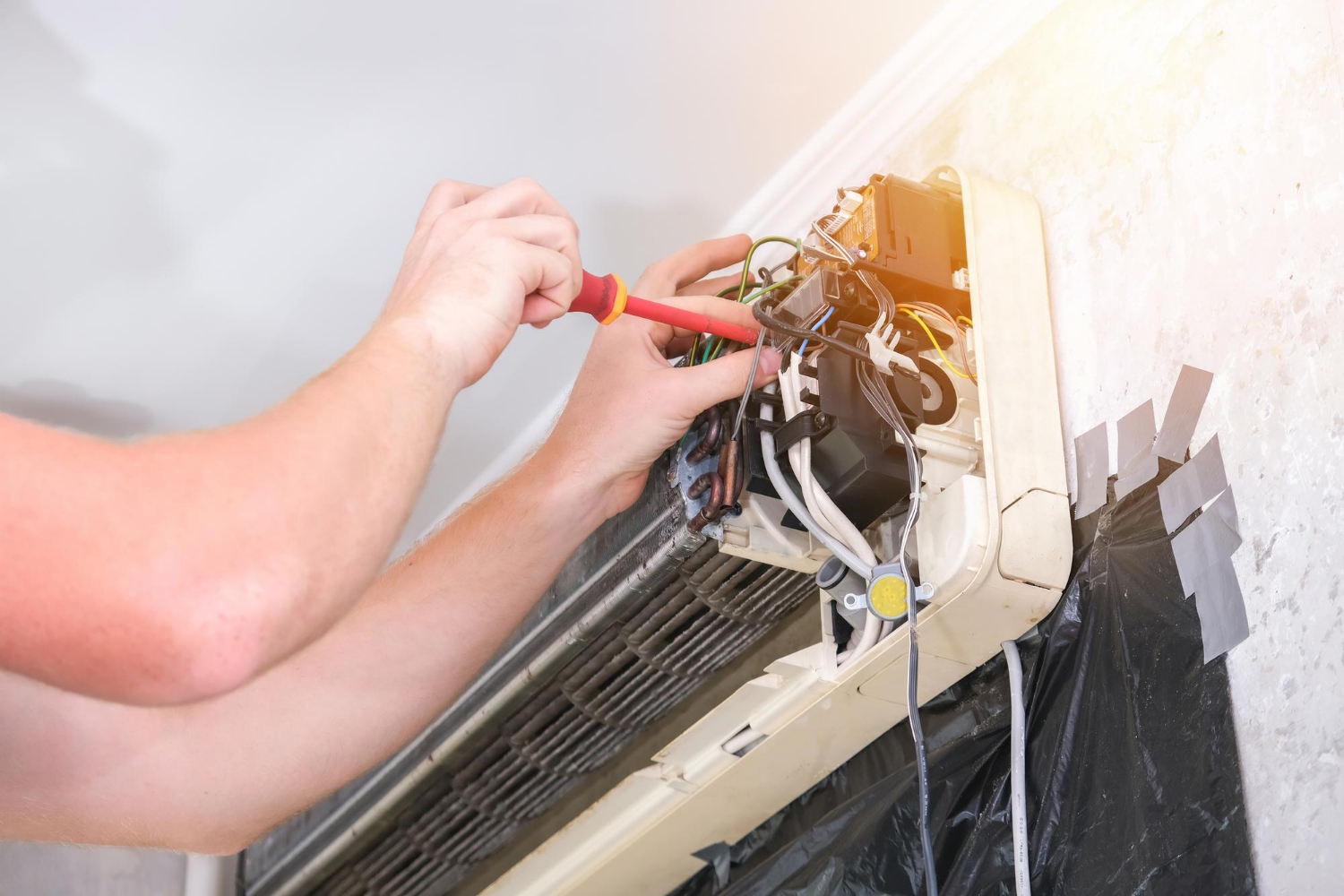
Once the decision is made to get a new AC, many people want to know what happens next. The first step is removing the old system. That usually includes disconnecting wiring, refrigerant lines, and any parts of the setup that will not be reused. Depending on your home’s layout, the work may be done outdoors, in an attic, or inside a closet or garage. Technicians will carefully remove older components and prep the area for the new installation.
After removal, the new system goes in. HVAC professionals handle tasks like checking your ductwork to ensure air can flow properly and testing any existing parts, such as your thermostat, to see if they still work with the new unit. Most jobs take a full day, maybe two if extra steps are needed. During testing, we double-check that the system cools evenly and quietly. We also look for anything that might limit efficiency later, such as a blocked vent or a pinched return line.
Homeowners can expect to see a team of installers moving in and out, carrying parts and tools, and performing several tests before powering up the system fully. Installers will also ensure the outdoor unit has enough space and is safely connected to electrical and drainage lines. At the end, the crew will make sure everything is tidy and ready for your family to enjoy cool air again.
How to Get Your Home Ready for Installation Day
A little bit of prep can go a long way toward keeping your installation simple and smooth. Here is what helps most:
- Clear a path to any indoor unit (such as one in a closet or attic)
- Move furniture or boxes that might block vents or wall access
- Unlock fences or gates for outdoor unit access
- Keep pets in a room away from the work area
Take a moment to check if the crew will need access to electrical panels or circuit breakers, and ensure these spots are not blocked. If you have rooms with fragile decorations, photos, or electronics near the work area, consider moving or covering them to protect from possible dust or shifting during the job.
It is best to have someone home during the job. That way, if there is a quick decision to make or a question that comes up, we do not lose time waiting. If your thermostat is in a shared space like a hallway or kitchen, try to keep that area clear too. This lets everyone move freely and finish faster. Being on-site also makes it easier to communicate special concerns or answer questions right away, which can help avoid any surprises and make the day go more smoothly.
Choosing the Right AC System for Texas Homes
Picking a system that fits your home and handles the local weather is what sets up long-term comfort. Most homes in our area use a central air system, but some do better with heat pumps, especially if they do not need a gas furnace. The type of unit you need depends on how your home is built, how shaded it is, how big the indoor space is, and how much heat builds up during warm months.
Spring brings rising humidity across North Texas, and a good AC system will control that along with the temperature. A system that is too small will end up overworking, while one that is too large might short-cycle and waste energy. This is why we size systems based on your home’s layout, not just by the square foot. It is smart to think ahead. Choosing high-efficiency options guided by Central air conditioning efficiency guidelines can help keep the house cooler in summer without piling on electricity use.
If your home has bigger windows or a lot of direct sunlight, that can make a difference in the unit size that is recommended. Likewise, homes that stay shaded or are well-insulated may require a different approach than older or drafty homes. Having a professional look at these details will make sure your new unit fits your needs and helps your home stay comfortable year-round without overusing energy.
Stay Comfortable Without the Stress
Getting a new AC might feel like a big project at first, but it doesn’t have to be overwhelming. A little prep, the right system, and an understanding of how the process works all make a big difference. We help guide you through each step so you are not left guessing.
When a new system goes in during late winter, you get the benefit of knowing your home will be ready long before that first big warm-up hits. That peace of mind means more comfort, lower stress, and fewer problems when the Texas heat rolls in for good. Plan ahead to make sure you are not caught off guard when you need reliable cooling the most.
FAQs
How long does a residential air conditioning installation take?
Most installs take one to two days, depending on your home and any prep work needed.
Do I need to be home during the installation?
It is best if someone is there in case there are questions or approvals needed.
Will I be without any cooling during the job?
Yes, for part of the time, but the technician will try to keep the work moving quickly.
Can I keep my old thermostat with the new system?
Sometimes, but it depends on what kind of system you are getting.
How do I know what size AC unit my home needs?
The technician will measure your space and help you pick a unit that fits well.
What should I do to prepare before the crew arrives?
Clear the area around your AC and vents, put pets in a safe room, and be available.
Is residential air conditioning installation messy?
There might be some dust or movement of furniture, but pros clean up before leaving.
Do I need to replace ductwork too?
Only if it is damaged or not big enough for the new system.
What’s the best time of year to install a new AC?
Late winter or early spring is ideal, so you are ready before it gets hot.
Will a new AC work better in Texas heat?
Yes, newer models are built to handle more heat and use less energy.
Excited to enjoy a cooler, more comfortable home this summer? Take the first step with a seamless residential air conditioning installation from Rite NOW A/C and Heating. We ensure your new system is set up to handle even the hottest Texas days effortlessly. Contact our HVAC installation experts and let us make sure your home stays cool and efficient all year round.