Hidden Comfort: How does plumbing shape your whole-home climate?
Your plumbing impacts water temperature, humidity, and equipment strain. Leaks, bad water pressure, and old water heaters quietly raise energy use and make rooms feel muggy, drafty, or inconsistent, which forces your heating and cooling system to work harder and wear out faster.
Home comfort is not just about having a strong AC and a working heater. The way water moves, drains, and leaks through your home quietly shapes how every room feels. When plumbing and air conditioning do not work together, you get that classic “too hot, too cold, never just right” feeling.
Many North Texas homeowners blame the thermostat or the AC size when rooms feel sticky or drafty. Often, the real trouble starts in the walls, under sinks, and around the water heater. Plumbing, HVAC, insulation, and even daily habits all play a role in keeping your home calm, dry, and steady.
How does plumbing quietly interfere with indoor comfort?
Moisture from leaks, poorly insulated pipes, and erratic water temperature all change how warm or cool your home feels. Your HVAC system then has to overcome those issues, leading to uneven comfort, higher bills, and more frequent thermostat conflicts.
Plumbing problems are sneaky. You do not always hear them, but you feel the results in the air. One of the biggest issues in North Texas is hidden water leaks that raise indoor humidity.
Here is what often happens:
- Small pipe leaks behind walls keep the air damp and sticky
- Slow drips under sinks create pockets of moisture in cabinets and floors
- Leaky valves or loose fittings leave areas that never fully dry out
All that extra moisture makes your home feel warmer and stuffier, even if the thermostat says the temperature is fine. In cooler months, it can make rooms feel clammy instead of cozy.
Poorly insulated pipes can also affect comfort. When pipes run through exterior walls or under floors without good insulation, you may notice:
- Chilly drafts around sinks and vanities
- Cold spots near walls where water lines run
- Floors that feel cooler than the rest of the room
Your HVAC has to work harder to even out those hot and cold spots. That often leads to thermostat wars and rooms that still never feel quite right.
Inconsistent water temperature is another red flag. If your showers go from hot to lukewarm to scorching, that is not just annoying. It can point to larger system issues, such as an aging water heater or uneven water flow, that waste energy and create uneven comfort.
Can plumbing and air conditioning work as a comfort dream team?
Good plumbing keeps humidity controlled, safely drains AC condensate, and stabilizes temperatures in your home. When humidity is low and moisture is controlled, your air conditioner cools faster, runs less, and delivers more consistent comfort throughout your home.
The good news is that plumbing and air conditioning can work together like a great tag team. When plumbing is tight and dry, your AC has a much easier job, especially during our muggy North Texas seasons.
Dry, controlled humidity means:
- The AC cools air faster
- The system cycles off more often instead of running nonstop
- Rooms feel cooler at slightly higher thermostat settings
Another big factor is the AC condensate drain line. As your AC pulls moisture from the air, that water needs a clear, correctly designed drain path. Plumbing know-how helps keep that line:
- Properly sloped
- Free of clogs and algae growth
- Routed where water cannot damage ceilings or floors
If the drain clogs, your AC may shut down or leak, resulting in unexpected water damage and a hot house.
Stable water temperature and good water pressure also help your daily comfort. When your showers and sinks are predictable, you are less tempted to adjust the thermostat throughout the day. That keeps your HVAC system from cycling on and off constantly.
What plumbing problems secretly sabotage HVAC efficiency?
Leaks, running toilets, clogged drains, and aging water heaters add moisture, stress nearby equipment, and can affect air quality. Your HVAC must run longer to overcome dampness and temperature swings, which spikes energy use and accelerates wear on your system.
Some plumbing problems are famous water wasters, but they also quietly raise heating and cooling costs.
Common culprits include:
- Slab leaks that add moisture under floors and into the air
- Dripping faucets that never let areas fully dry out
- Running toilets that keep bathrooms and nearby spaces humid
- Old water heaters placed close to ductwork or air handlers
When a water heater radiates heat near ducts, returns, or vents, that warmth can enter your airflow. Your AC then has to cool the air that just got reheated in the closet or attic.
Constant moisture around ducts or vents can also invite mold and buildup. That can:
- Restrict airflow
- Make filters load up faster
- Leave the system running longer to hit the same temperature
Mineral buildup from hard water can be another headache. Scale in water heaters hurts their performance and can also affect any connected equipment that uses water, which sometimes includes parts that influence indoor air quality or coil cleanliness.
How can smart plumbing upgrades boost comfort this spring?
Insulated pipes, a high-efficiency water heater, professional leak repairs, and properly designed AC drain lines reduce humidity swings, drafts, and surprise breakdowns, so your air conditioner can cool smoothly and keep every room feeling consistently comfortable.
Late winter is a great time to get ahead of humidity and the cooling season. A few smart plumbing upgrades can set your HVAC up for an easier spring and summer.
Helpful upgrades include:
- High-efficiency water heaters that run cooler around your ducts
- Insulated hot and cold water lines in attics, walls, and crawl spaces
- Professional leak detection and repairs before walls or floors get damaged
- Proper AC drain line design and cleaning to prevent backups
When a team that understands both plumbing and air conditioning takes a whole-home view, it often finds patterns that single-trade fixes miss. A leak near a return vent, a hot water line next to a supply duct, or a poorly placed water heater can all be solved faster when one crew sees the full picture.
When should you call a pro for plumbing and air conditioning help?
If your home feels clammy, smells musty, experiences frequent AC drain clogs, has sweating pipes, or wildly fluctuating water temperatures, it is time to call a professional. A combined plumbing and HVAC check can catch problems early and restore whole-home comfort.
Some comfort problems are clear: water on the floor, no cold air, no hot water. Others are quieter but still point to hidden issues that call for expert help.
Watch for signs like:
- Rooms that always feel clammy, even when they are cool
- Sudden musty or earthy odors near vents or closets
- AC drain lines that clog again and again
- Pipes that sweat or drip, especially on hot days
- Big, sudden swings in shower or sink water temperature
When a local, family-owned team that handles both plumbing and HVAC looks at your home, you avoid finger-pointing between trades. The goal is simple: find the real cause, fix it once, and help your home feel calm and steady again.
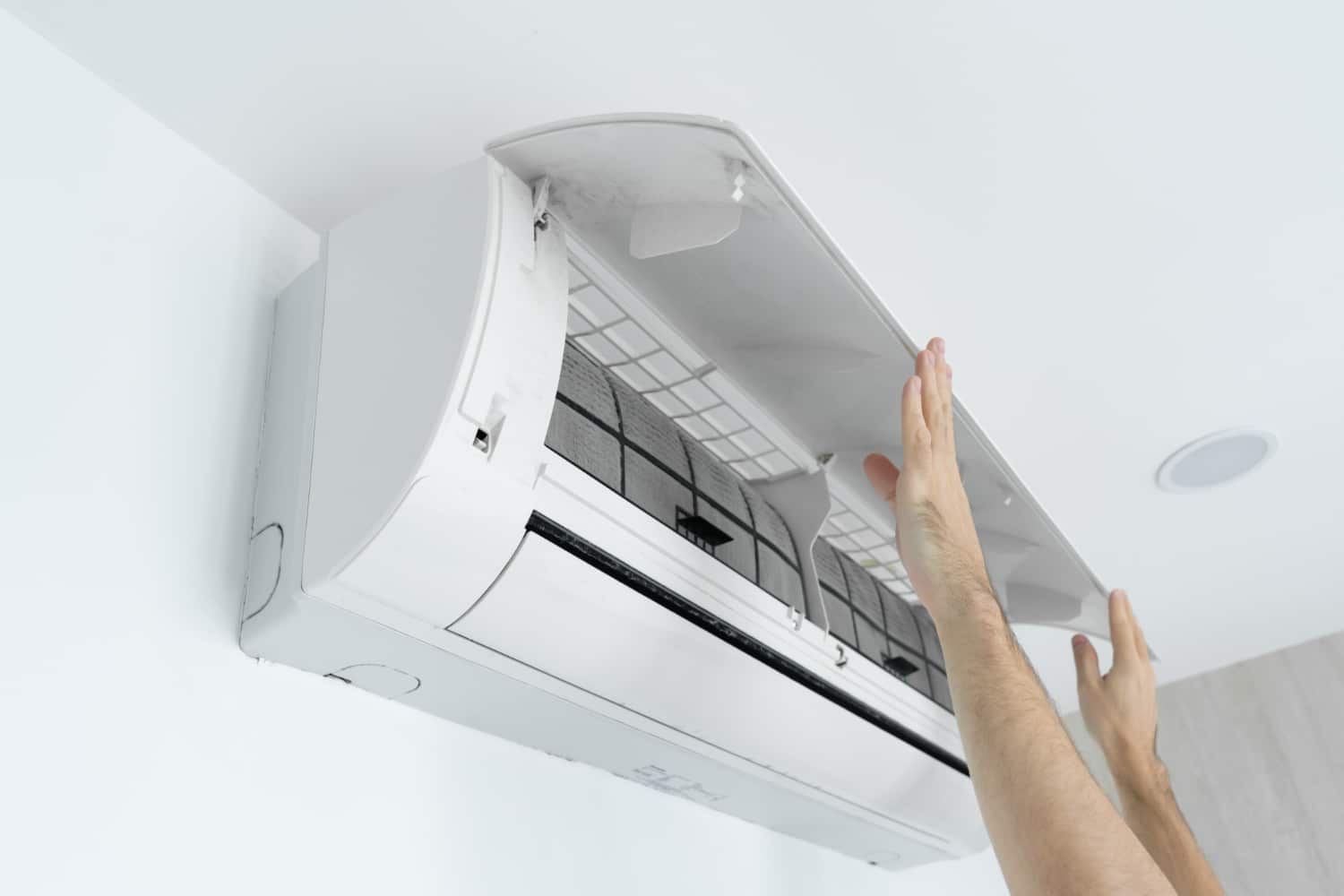
Seasonal tune-ups and maintenance that include condensate drains, visible plumbing near HVAC equipment, and water heater performance are a smart way to catch problems early.
FAQs about plumbing and home comfort in North Texas
Rapid-fire answers to common questions we hear from Denton-area homeowners about plumbing and air conditioning working together.
Q1: Can a small plumbing leak really affect my AC performance?
A1: Yes. Even small leaks raise indoor humidity, which makes your AC run longer, cool less effectively, and struggle to keep rooms comfortable, especially during our sticky North Texas seasons.
Q2: Why do some rooms feel muggy even when the thermostat is set low?
A2: Hidden leaks, uninsulated pipes, or clogged AC drain lines can add moisture to specific areas, creating room-by-room humidity differences your thermostat cannot see but your skin definitely feels.
Q3: Does my water heater placement affect my HVAC system?
A3: It can. A hot, inefficient water heater near ducts or air handlers can warm surrounding areas and force your AC to work harder to cool those spaces, raising energy use and reducing comfort.
Q4: Should plumbers or HVAC techs fix AC drain line issues?
A4: Both can help, but a company experienced in plumbing and air conditioning is ideal. They understand drains, moisture control, and system design as a whole.
Q5: Can better plumbing insulation really lower my energy bills?
A5: Yes. Insulated hot and cold water lines reduce heat loss and condensation, help stabilize indoor temperatures, and cut how often your HVAC has to compensate for drafts and dampness.
Q6: How often should I have my AC drain line checked?
A6: At least once a year, ideally before cooling season. In North Texas, where AC works hard, a yearly check helps prevent clogs, overflows, water damage, and surprise system shutdowns.
Q7: Are tankless water heaters better for comfort and efficiency?
A7: Often, yes. Tankless units provide endless hot water and can be more efficient, especially when sized and installed correctly. They reduce standby heat loss and free up space around HVAC equipment.
Q8: What is one easy sign my plumbing might be hurting air quality?
A8: Persistent musty smells near vents, closets, or bathrooms often indicate moisture issues, like leaks or poor drainage, that can lead to mold and make your HVAC spread unpleasant odors.
Q9: Can fixing plumbing issues really make my home feel more evenly comfortable?
A9: Absolutely. Stopping leaks, insulating pipes, and managing condensate often smooth out hot and cold spots, reduce humidity swings, and help every room feel closer to the temperature you set.
Q10: Is it worth calling one company for both plumbing and HVAC?
A10: Yes. A team that handles both systems can spot how leaks, ducts, drains, and equipment interact, fix root causes faster, and help your whole home feel consistently comfortable.
How do you turn your plumbing and HVAC into a comfort power duo?
Real comfort comes from dry, well-managed plumbing and a right-sized HVAC system working together. A whole-home check of leaks, pipes, water heaters, ductwork, and AC performance can turn a “never just right” house into a steady, comfortable home in every season.
True home comfort does not come from just a bigger AC or a hotter water heater. It comes from plumbing and air conditioning working together to keep your home dry, steady, and predictable from room to room.
A whole-home look at leaks, pipes, water heaters, ductwork, and AC performance can turn that “never just right” house into a calm, comfortable place that feels the same in every room, in every season.
Keep Your Home Comfortable And Problem-Free
If you are dealing with stubborn leaks, temperature issues, or rising utility bills, we are ready to help get everything back on track. Whether you need expert plumbing and air conditioning service or just want a professional opinion, our technicians will walk you through your best options. At Rite NOW A/C and Heating, we focus on reliable HVAC and plumbing repair, honest recommendations, and long-term comfort. If you are ready to schedule service or ask a question, contact our HVAC and plumbing experts today.