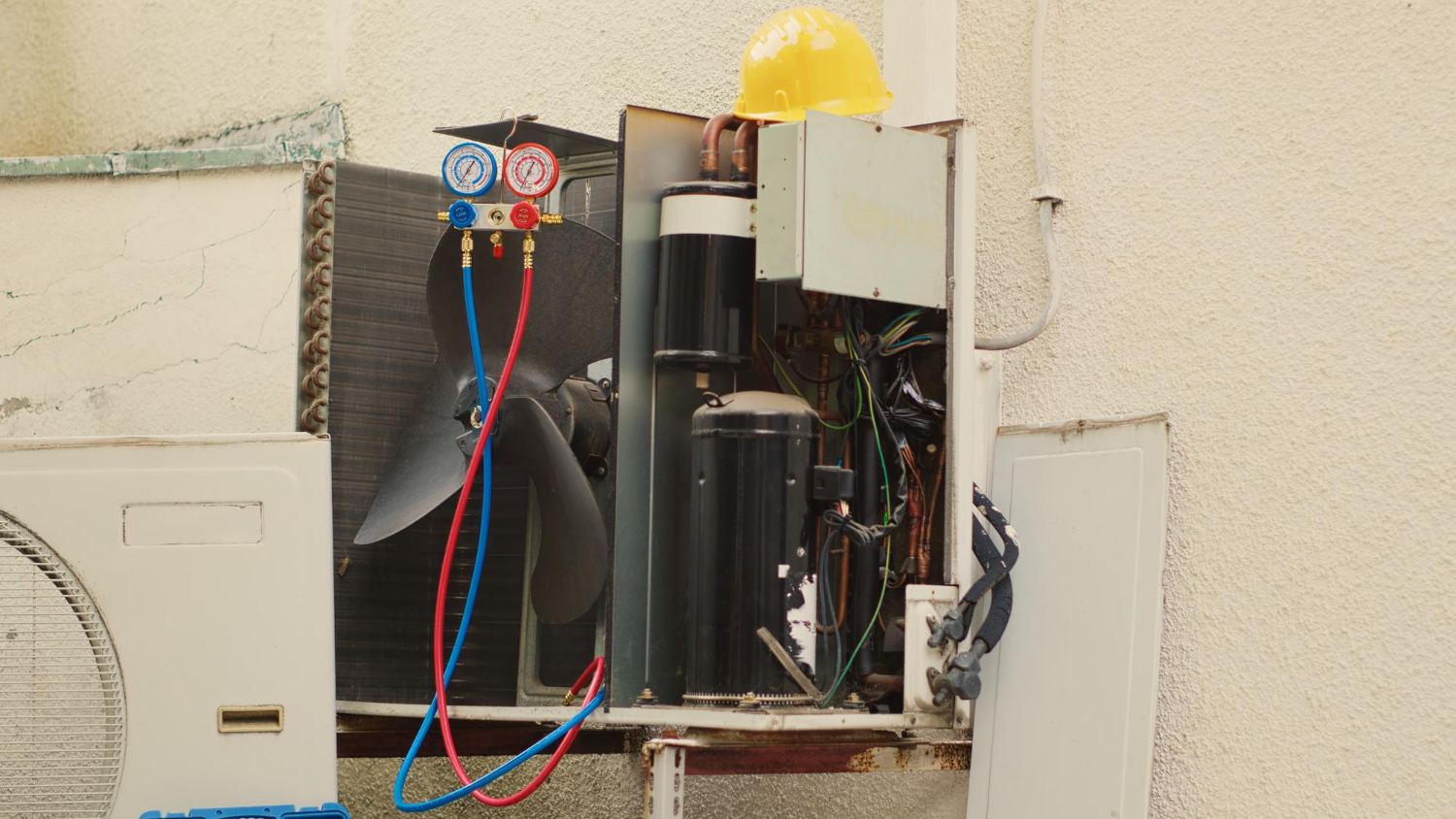
What Counts as an AC Emergency in a Denton Summer?
A real AC emergency is any problem that risks your safety, your home, or your AC system if you wait too long. In North Texas heat, that can turn a small hiccup into a big, sweaty headache fast.
Common Denton AC emergencies include:
- No cooling during extreme heat with kids, older adults, or anyone with medical needs in the home
- Burning smells, smoke, or sparks from your indoor or outdoor unit
- Water leaking from your attic or closet unit that can damage ceilings, walls, or flooring
If you are unsure, ask three questions: Could this harm someone? Could this damage my home? Could this ruin my AC? If yes to any, treat it as an emergency.
When Is No Cooling a Can’t-Wait Situation?
No cool air on a Denton summer day is stressful, but it is not always an emergency. The risk rises as indoor temperatures climb and as people in your home become more sensitive to heat.
A no-cooling problem becomes urgent when:
- Indoor temperatures creep into the upper 80s or 90s
- Young kids, older adults, or people with breathing or heart issues are inside
- The air feels heavy and sticky from high humidity
There is also a big difference between a system that is completely down and one that is just struggling.
- Complete shutdown: The system will not turn on at all or shuts off right away. That usually needs fast attention.
- Not cooling enough: The AC runs, but the house feels warmer than normal. If temperatures are still safe and no one is at risk, this can often wait for standard service.
Before calling for AC emergency repair, check a few quick things:
- Confirm the thermostat is set to Cool and set lower than room temperature
- Check the breaker panel for a tripped breaker
- Inspect your air filter and replace it if it is dirty or clogged
- Make sure supply vents and return grilles are open and not blocked by furniture, rugs, or doors
If everything looks normal and the house is heating up quickly, it is time to treat the situation like an emergency.
Which AC Warning Signs Need Same-Day Help?
Some AC issues are more than annoying; they can be unsafe if ignored. Electrical and water issues usually top the same-day list.
Electrical red flags that need quick help:
- Breakers that trip over and over when the AC runs
- Buzzing or crackling sounds from the equipment or electrical panel
- Burning smells, especially sharp scents like burning plastic or hot metal
Noises that should not wait:
- Grinding or screeching from the indoor blower or outdoor condenser
- Loud banging or clanking that starts suddenly
- Metal-on-metal sounds when the system kicks on
Active water leaks can also cause serious trouble, especially when your indoor unit lives in the attic or a closet. Watch for:
- Water stains on the ceiling
- Drips from a vent or light fixture
- A puddle around the unit or drain pan
If you see these, turn the system off at the thermostat. In many cases, it is also smart to flip the AC breaker to prevent more water from flowing through the coil and worsening the leak. Then schedule professional help promptly to protect your ceilings, floors, and wiring.
What AC Problems Can Safely Wait Until Tomorrow?
Not every summer AC hiccup is a code-red moment. If the system is still running, the temperature is safe, and no one is at special risk, you can usually book a standard HVAC repair.
Issues that often can wait include:
- Mild airflow problems, like some rooms feeling warmer than others
- Short cycling, where the system turns on and off often but still holds a safe indoor temperature
- Musty or earthy smells that are not sharp, electrical, or like burning plastic
While you wait for service, a few small tweaks can help:
- Set the thermostat a bit higher than usual to ease strain on the unit
- Close blinds and curtains on sun-facing windows
- Run ceiling fans to keep air moving so rooms feel cooler
These steps will not fix the problem, but they can help your AC hang in there and keep your home more comfortable until a technician arrives.
How Can You Stay Safe Until AC Help Arrives?
When the AC misbehaves, safety comes first. A few smart moves can protect people and property without turning you into a DIY repair expert.
Safe steps to take:
- If you smell burning or see smoke, turn the AC off at the thermostat and flip the breaker
- If you see water leaking from the unit, turn the system off to slow the leak
- Move family members, pets, and valuables away from any active drip areas
To stay more comfortable in Denton heat:
- Drink plenty of water and avoid heavy activity in hot rooms
- Use fans to move air in the coolest parts of the home
- Close off unused rooms so fans and cool air focus where you actually are
Things you should not do:
- Do not open electrical panels or AC units
- Do not bypass safety switches or float switches
- Do not rely on ovens or lots of space heaters; they add heat and raise fire risk
When in doubt, step away from the equipment and wait for a trained technician. Your AC system is a team sport, let the pros handle the risky plays.
Summer AC Emergencies FAQ For Denton Homeowners
Is no air conditioning always an emergency in Denton?
Not always. It becomes an emergency when indoor temperatures become unsafe or when anyone sensitive to heat, such as children, older adults, or people with medical conditions, is inside.
How fast can AC emergency repair usually happen?
It depends on call volume and time of day. Emergency calls are treated as high priority so unsafe situations are handled as quickly as possible.
What should I check before calling for an AC emergency?
Check thermostat settings, the breaker panel, your air filter, and vents. If those look normal and you still have no cooling or dangerous signs, treat it as urgent.
Is a frozen AC unit an emergency or can it wait?
If coils or lines are iced up but there are no leaks, smoke, or burning smells, turn the system off and let it thaw. It often can wait for standard service unless you also see water damage or tripped breakers.
Are ceiling leaks near the AC an urgent problem?
Yes. Ceiling leaks can spread quickly and damage drywall, insulation, and wiring. Turn the system off and get professional help right away.
Why does my breaker keep tripping when the AC runs?
Frequent tripping can mean electrical issues, a struggling compressor, or wiring problems. Repeated trips call for a professional, not just another reset.
Can running the AC with a burning smell damage the system?
Yes. A burning smell can signal overheating parts or electrical trouble. Turn the system off immediately and avoid running it until a technician inspects it.
How do I know if my older AC is worth repairing in an emergency?
A technician can weigh age, condition, efficiency, and repair history and help you decide whether AC repair or replacement makes more sense when emergencies keep popping up.
Does emergency AC service cost more than regular service?
Emergency visits may be priced differently from standard scheduling. The office team can explain how timing affects cost, so there are no surprises.
What can I do today to reduce the chance of a summer AC emergency?
Regular tune-ups, clean filters, clear space around your outdoor unit, and smart thermostat settings all help your system run more smoothly and reduce surprise breakdowns when Denton heat hits hardest.
Get Fast, Reliable Help When Your AC Fails
If your cooling stops working unexpectedly, Rite NOW A/C and Heating is ready to respond quickly so your home can be comfortable again. Whether you need immediate AC emergency repair or want to talk through your options before scheduling a visit, our team is here to guide you. We will assess the issue, explain what is happening in clear terms, and provide practical solutions that fit your needs. For prompt support or to set up service, contact our HVAC experts today.