Winters in North Texas might be milder than other parts of the country, but we still get our fair share of chilly mornings and surprise cold snaps. When that cold settles in, having a heating system that works right the first time makes a big difference in comfort. The trouble is, many older systems in the area run harder than they should, wasting energy without effectively keeping rooms warm.
That’s where better planning comes in. When we talk about ways to improve North Texas heating and air, we’re not just talking about having heat available. We’re looking at systems that work smarter, save energy, and stay reliable no matter what the weather throws at us.
Understanding What Makes a Heating System Efficient
A heating system’s efficiency is measured by how well it turns energy into heat you can feel. For gas furnaces, we use something called AFUE (Annual Fuel Utilization Efficiency). For heat pumps, SEER and HSPF ratings indicate how efficiently they use electricity. You can learn more about these AFUE and SEER efficiency ratings to help compare systems when upgrading. A higher rating on these metrics often means less energy is wasted.
Signs your current system might be losing efficiency aren’t always obvious at first. You might notice:
• Rooms that heat unevenly or stay cold longer
• The heater is running more often than usual
• Rising utility bills compared to last year
• The system is taking forever to warm up in the mornings
Modern models are designed to fix many of these problems. They adjust fan speeds, recover heat faster, and maintain a steady temperature without working as hard. The way a system runs over time can make a real difference in your home’s comfort, especially when you need it most.
Popular Heating Options That Work Well in North Texas
North Texas doesn’t stay frozen for long, so we don’t always need the biggest gas furnace on the market. Choosing a heating system that aligns with our winter patterns can pay off in comfort and savings.
• Gas Furnaces: Still a good fit for homes with gas lines, especially if you like lots of fast, dry heat.
• Electric Heat Pumps: Great for mild winters, since they can both cool and heat as needed.
• Dual-Fuel Systems: These use a heat pump most of the time but switch to gas if it gets really cold.
• Ductless Mini-Splits: Ideal for room additions or homes without full ductwork, and they’re easy to control room by room.
Heat pumps are especially popular around Denton and neighboring towns. They don’t overdo it during warm spells, and newer models handle colder days better than ever. Whether you prefer steady, gentle warmth or need quick heat after a cold front, there are options that can suit your family’s routine.
How Better Heating Systems Help You Save Long-Term
Energy bills can sneak up fast if your system is too old or isn’t matched well to your home. Efficient heating units use just enough power to get the job done right. That means you’ll stay cozy without burning through your monthly budget.
• Advanced controls keep heat steady, which helps the system avoid short-cycling.
• Newer equipment often comes with longer warranties and fewer repair calls when set up the right way.
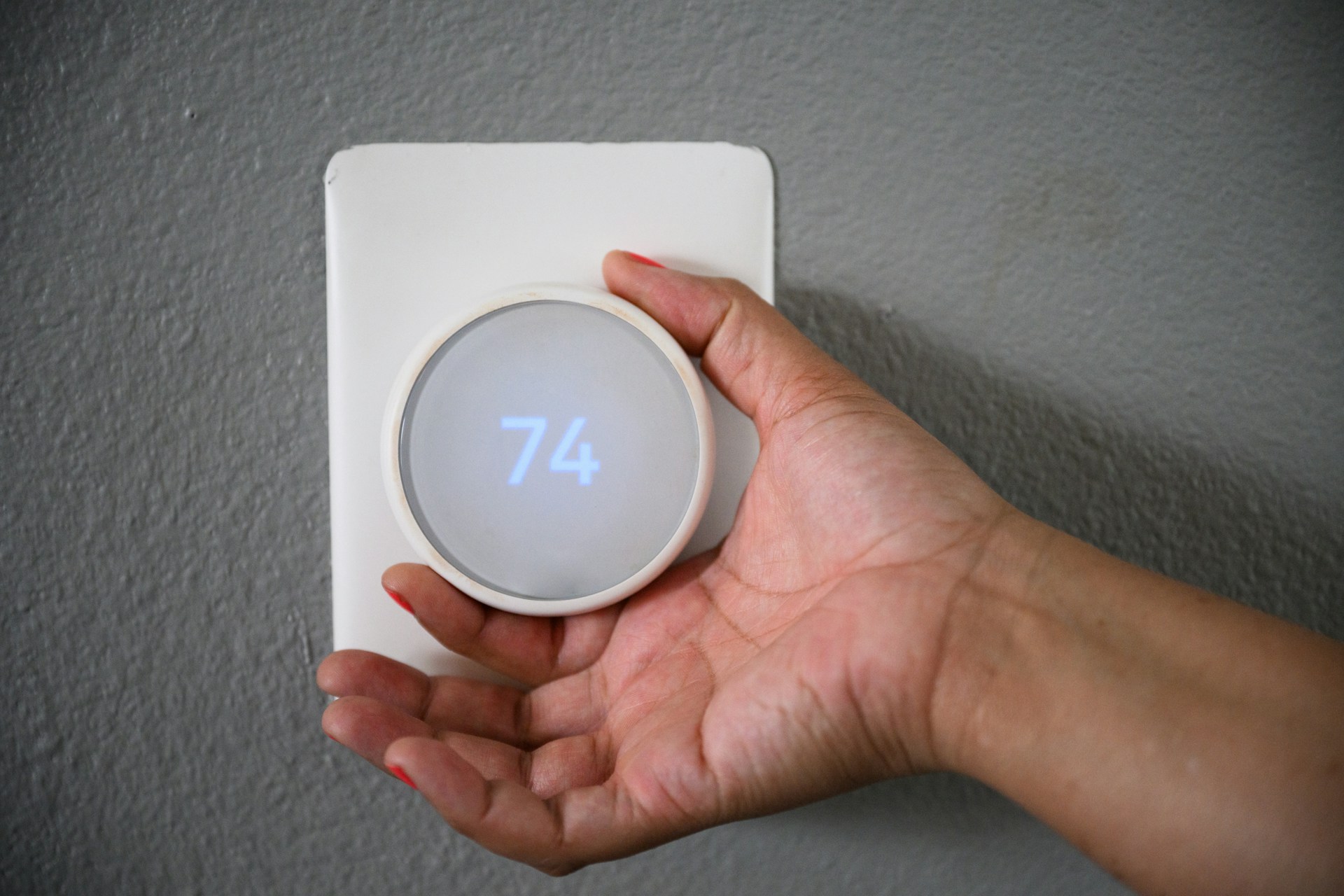
• Pairing a smart thermostat with your heating system can make a noticeable difference, letting you schedule heating only when you need it.
If your system has been malfunctioning, seeking professional HVAC repair services may extend its lifespan while you plan for a new setup. Regular service is one of the keys to making sure your system runs as efficiently as possible. Long-term savings aren’t always about big changes. Sometimes, just choosing the right setup and sticking to a seasonal checkup routine is enough. Plus, the comfort of a consistent temperature can make your home feel more relaxing throughout the winter.
What to Check Before Upgrading Your Heating System
Before installing a new heating system, it helps to assess how your current setup measures up. A unit that’s too big will cycle on and off too often, while one that’s too small never seems to keep up.
• Have a licensed technician measure your home and check duct size.
• Make sure your attic and walls are well-insulated. Heat loss through under-insulated areas can erode the benefits of a more efficient system.
• Gaps around windows or doors? Those can throw off your thermostat readings and overwork your heater.
If all signs are pointing to a new unit, learning about modern HVAC system installation options can help you make the right choice for your space. It’s not just about the heater. A whole-home approach makes any upgrade more effective. Paying attention to the basics before installing new systems can help avoid issues down the line and deliver better results for years to come.
Stay Warm Without Wasting Energy
North Texas winters don’t usually drag on, but that’s even more reason to have a heating setup that works well without running around the clock. When your system matches your home’s needs, it keeps things steady without straining itself.
The right option depends on your home’s size, current energy use, and how often you rely on heating. Planning in late winter sets you up before spring brings sudden warm days, giving you more control and fewer surprises. If you take the time to weigh all your options and look at what makes sense for your home, staying warm doesn’t have to mean higher bills.
FAQs
1. What’s the best heating system for a Denton home?
The right system depends on your home’s size, insulation, and how often you use heat. A heat pump or dual-fuel setup often works well in this region.
2. How often should I replace my heating system?
Most systems last 10 to 15 years. If it runs poorly or needs frequent repairs, it might be time for an upgrade.
3. Is a heat pump good enough for North Texas winters?
Yes. Heat pumps work well in North Texas because winters are usually mild, and they can still warm your home efficiently.
4. What are the signs that my current heater is inefficient?
If it runs a lot without warming your home well, makes loud noises, or causes high energy bills, it may be struggling.
5. Do energy-efficient systems cost more to run?
No. Efficient systems usually cost less to operate because they use energy more efficiently and maintain more consistent temperatures.
6. What should I check before getting a new system?
Look at your current unit’s age, how your home is sealed, and whether your ducts are in good shape.
7. Can a better heater lower my energy bills?
Yes. A new system that fits your home well will use less power and still keep you warm.
8. Should I replace my heat and air at the same time?
It depends. Replacing both parts together can improve overall balance and save time down the road.
9. Is a smart thermostat worth it?
Yes. Smart thermostats can help heat your home more efficiently by learning your routine and adjusting automatically.
10. Can I make my old system more energy efficient?
Small things like regular filter changes and sealing ducts help, but big gains usually come from upgrading the system.
Upgrade Your Heater, Lower Energy Bills
Is your heating system ready for the unpredictable winters of North Texas? At Rite NOW A/C and Heating, we specialize in providing efficient and reliable North Texas heating and air solutions tailored to your needs. Our modern units are designed to optimize energy use and enhance comfort throughout your home. Contact the HVAC experts today to explore how we can help you upgrade your system and ensure you’re prepared for any weather changes.