When it gets chilly in Denton, TX, nothing beats a good, steady stream of hot water. A hot shower or a warm bath isn’t just about comfort during winter; it keeps daily life running smoothly. But when that water heater starts acting up, it can catch you off guard, especially right as temperatures drop. That’s where knowing about water heater installation services comes in handy. Whether your current unit is slowing down or you’re planning ahead, understanding what to expect from a professional install can save you from mid-winter headaches.
Why Homeowners Replace Their Water Heaters
Most water heaters don’t give out suddenly. They usually show signs before they stop working. If you’ve noticed your water warming slower than usual or only heating up halfway, that’s often a red flag. Other warning signs include strange banging or rumbling noises, rust-colored water, or a small pool forming under the tank.
These kinds of issues are more than just annoying; they can mean your water heater is reaching the end of its life. In Denton winters, older heaters face more strain than usual. Cold groundwater, longer heating run times, and low overnight temperatures can push old units past their limits. We tend to get more service calls in colder months because small problems that went unnoticed in the fall suddenly get worse under pressure.
If you’re already seeing leaks or hearing odd noises near your water tank, it might help to check if any nearby pipes or fixtures could also benefit from professional plumbing repair services.
Choosing the Right Water Heater For Your Home
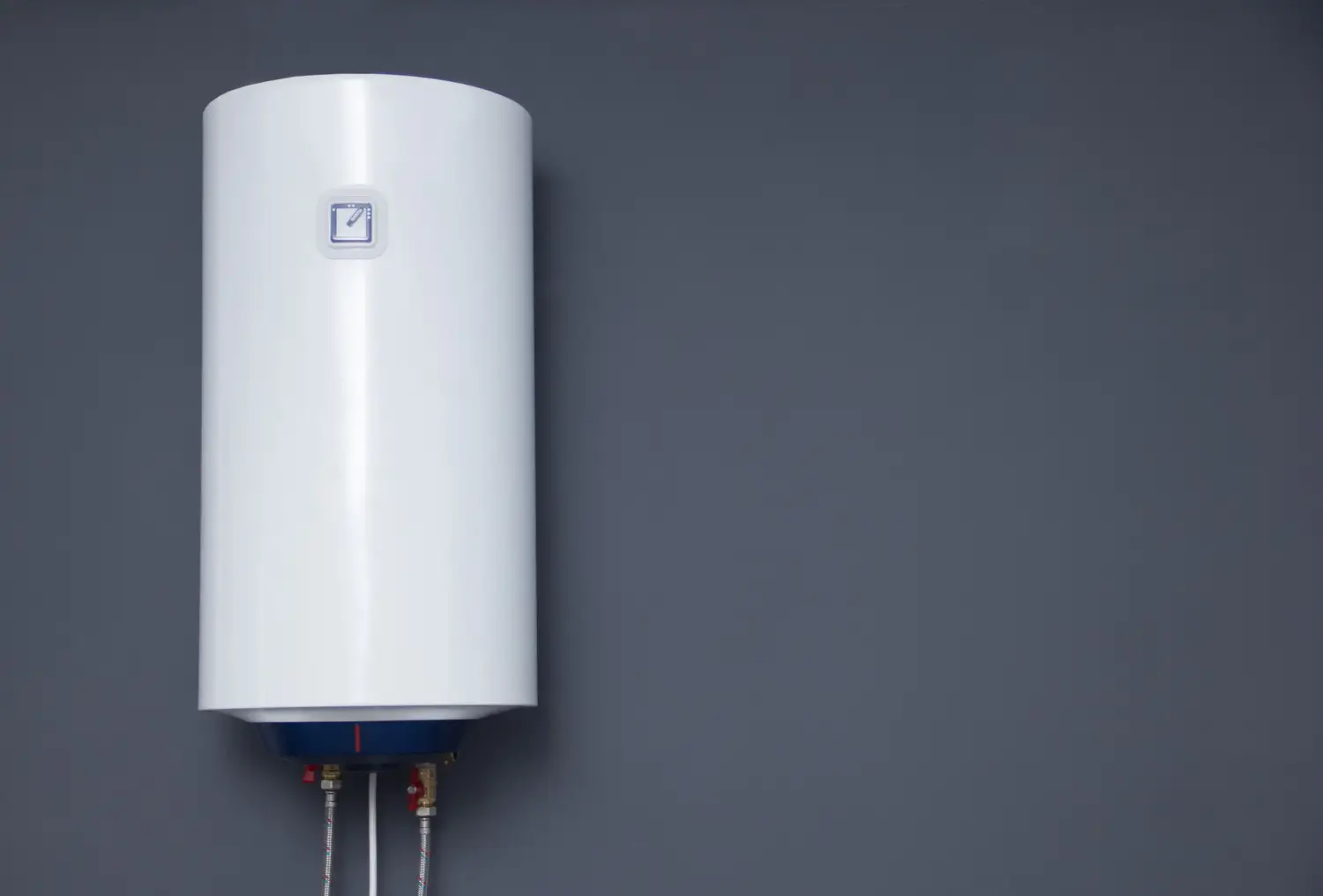
If it’s time for a new heater, the first question is: which type should you choose? You’ll likely be choosing between tank and tankless models, and between gas and electric. Each version has its strengths. Tank heaters come with lower upfront water heater costs and heat water in bulk. Tankless models save space and provide hot water on demand, which can be handy when everyone’s home during holiday breaks.
A few things usually guide our advice:
- Size of the home
- Number of people using hot water daily
- Whether you have gas lines or rely on electricity
- Your habits in winter and how often you run multiple appliances
In colder climates like Denton, TX, one thing that makes a difference is recovery time. That’s how fast your water heater can warm up fresh water after it’s been used up. A larger tank or a well-sized tankless model can help avoid mid-shower surprises when everyone’s home during the holidays. If you’re still unsure, checking out a helpful gas vs electric water heater comparison might make the choice clearer based on your home layout and energy setup.
What to Expect From a Professional Installation
Installing a water heater isn’t just about swapping the old for the new. There are safety steps, sizing checks, and building codes all at play. When we install a new heater, we start by evaluating the setup, things like venting, nearby outlets, or chimney access for gas units.
From there, we:
- Turn off the water, power, or gas safely
- Drain and remove the old unit
- Position the new one and connect it securely
- Test everything, from pressure to temperature settings
- Make sure the system meets code with the right permits
Proper installation keeps things safe and efficient long term. Mistakes in venting or temperature settings can lead to energy waste, or worse, safety hazards. That’s why we always recommend having licensed professionals handle the install instead of making it a DIY project. For those who want to know what safety steps are involved, the Department of Energy offers some helpful water heater installation and safety guidelines worth reviewing.
Seasonal Timing and Readiness Tips
Late December and early winter might sound like an odd time for an install, but it’s often ideal. By now, the weather has cooled off enough to expose heater issues that were hiding in fall. Extra stress on an aging unit might trigger its first problem right around the holidays, which is when many homeowners finally notice lower performance or full-on failure.
Here’s why acting now can make a difference:
- Colder water takes longer to heat, which strains the unit
- Small cracks or corrosion inside the tank are more likely to grow with heavy winter use
- Getting set up now reduces the risk of emergency repairs in the dead of winter
- You’ll be ready before spring storms start causing humidity and plumbing disruptions
It’s all about staying ahead of the problems and getting the timing right. A checkup or replacement before spring lets you go into the next season with peace of mind. If you’re worried about safety and hot water use, especially with kids or older adults in the house, it’s smart to learn more about preventing tap water scalds and temperature safety.
Hot Water Confidence Starts With Smart Choices
When it comes to your home’s hot water, being prepared beats being surprised. Knowing the warning signs, sorting through your options, and having a professional handle the install all help avoid frustrating repairs during colder months.
Winter in Denton, TX, often pushes older systems to their limit. Taking a bit of time now, before mid-January temps drop even lower, can keep your household running comfortably. You’ll be glad you acted early the next time the tap runs steady with hot water instead of a shiver-inducing splash.
FAQs
1. How do I know if I need a new water heater?
Look for signs like rust in water, strange sounds, or not enough hot water.
2. What’s the difference between tank and tankless water heaters?
Tank heaters store a set amount of hot water, while tankless heaters heat it as you use it.
3. Does winter affect my water heater’s performance?
Yes. Cold air and water can make your unit work harder and reveal weak spots.
4. Should I replace my water heater before it breaks completely?
It’s smarter to replace it when problems start, not after a failure.
5. Is gas or electric better for water heating?
That depends on your home setup and what energy source is available or preferred.
6. What size water heater do I need?
It depends on how many people live in your home and how often you use hot water.
7. Can a tankless heater handle a big family?
Yes, but you may need one with high output or even two units in some cases.
8. How long does a typical water heater last?
Most last about 8 to 12 years, depending on use and maintenance.
9. What happens if a water heater isn’t installed correctly?
It can leak, use more energy, or create safety hazards like gas issues or scalding.
10. Is December a good time to install a new water heater?
Yes. Cooler weather shows weak spots in your system before the heavy use of spring.
As temperatures continue to drop in Denton, TX, ensuring that you have a reliable hot water supply becomes even more crucial. Don’t wait for a mid-winter surprise; contact the plumbing experts at Rite NOW A/C and Heating for professional water heater installation services you can trust. Our team is dedicated to providing thorough planning and expert installation, so you can enjoy a consistent supply of hot water all season long. Make a smart choice today and experience peace of mind knowing your home is ready for winter.